
WASH in Chad
WASH in Chad
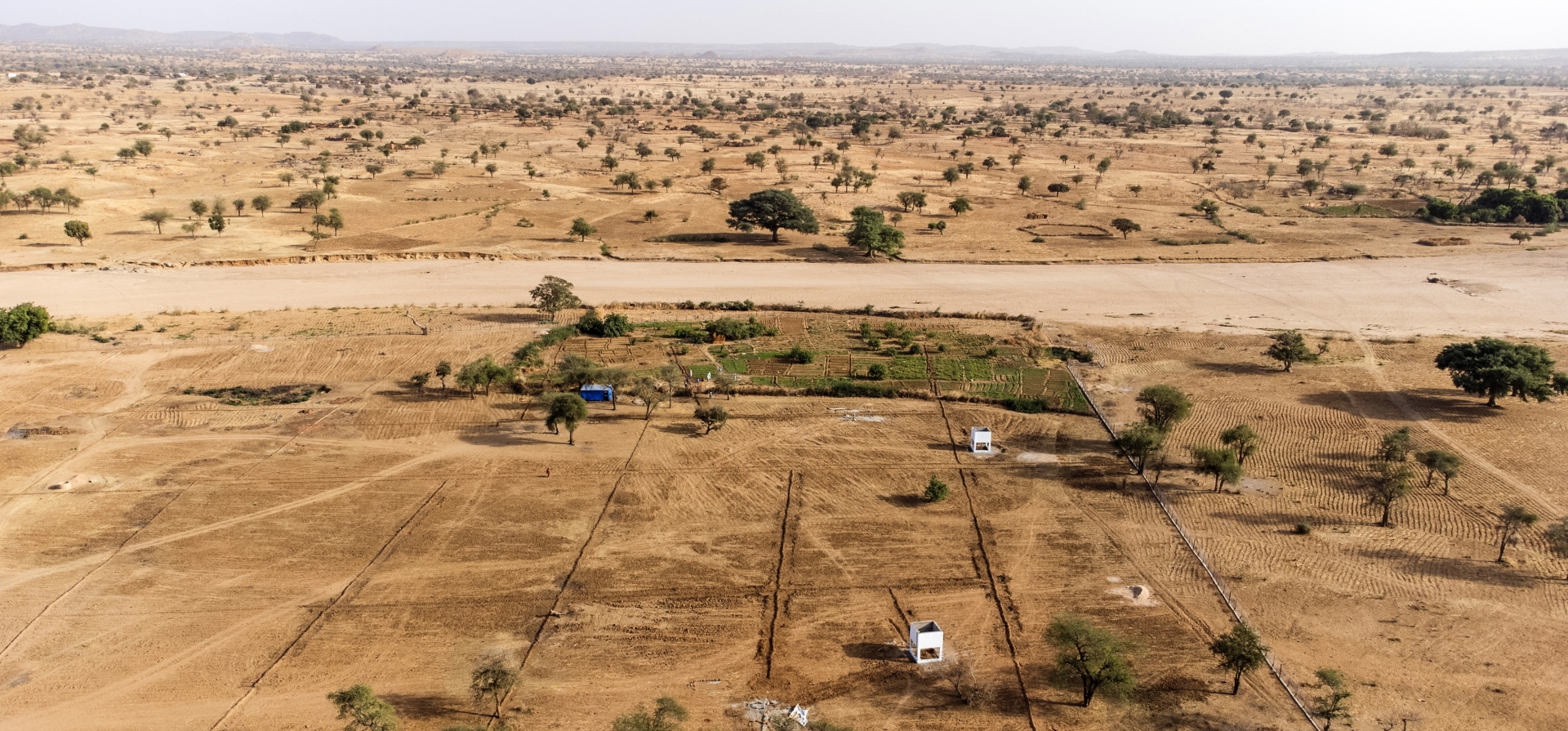
EU-supported seuils d’épandage are improving water management in Eastern Chad by controlling and distributing floodwaters, enhancing groundwater recharge, and protecting soils.
On this page
Chad faces significant challenges in water, sanitation, and hygiene (WASH) access. Only 52% of Chad's population has access to at least basic drinking water services, dropping to 44% in rural areas. For sanitation, 13% of the population has access to at least basic sanitation services, dropping to 5% in rural areas (Joint Monitoring Programme 2023).
Scarcity of water resources is a key challenge in refugee-hosting areas in Eastern Chad. These areas are located in arid and semi-arid regions, with limited groundwater and irregular seasonal rainfall. These conditions complicate the supply of safe drinking water and require adequate water resource management to ensure sufficient and sustainable access to water. Following the outbreak of conflict in Sudan in April 2023, the influx of refugees has placed further strain on already limited water resources, increasing demand and heightening tensions between refugee and local populations. As of June 2025, refugees received 5 litres of water per person per day, well below the international standard of 15 to 20 litres needed to meet basic daily needs (UNHCR 2025).
What is the vision for the provision of WASH services?
- Ensure equitable and sustainable access to quality water, hygiene, and sanitation services for host communities and forcibly displaced populations.
- Strengthen community capacities for the management of water, hygiene, and sanitation services.
- Promote the integration of water, hygiene, and sanitation interventions into local development programs and the inclusion of refugees in national plans.
Policy Environment
Chad has established laws, regulations, and policies that define the responsibilities of actors in the water, sanitation, and hygiene (WASH) sector, aiming to ensure equitable and sustainable access to safe water, sanitation, and hygiene services. Responsibility primarily lies with the Ministry of Water and Energy and the Ministry of Health, with water rights governed by Law No. 12/PR/98 and sanitation by Law No. 044/PR/2009, both promoting safe practices, environmental protection, and public health. The 1999 Water Code (Law No. 016/PR/99) outlines the management of water resources, public water services, infrastructure, and regulatory oversight. The National Sectoral Strategy for Water and Sanitation (2017–2022) sought to strengthen institutional coordination, integrated gender and environmental considerations, and improved service access and quality.
For refugees in Chad, the 2020 Asylum Law and Article 56 of its implementing decree stipulate government assistance to refugees and asylum seekers, prioritizing WASH and other basic services.
Chad’s legal framework provides a foundation for implementing WASH programs in line with sustainable development and human rights, ensuring access to safe water, sanitation, and hygiene. Effective enforcement, adequate resources, and capacity-building remain essential to meet the needs of vulnerable populations, including displaced populations.
Data
Data source: Ajala Platform. The Ajala Platform is a humanitarian coordination platform that collects comprehensive data for the response in Eastern Chad.
Recommendations and Priority Investments
To ensure sustainable access to safe drinking water in Eastern Chad, efforts must focus on upgrading and maintaining existing water supply systems, such as reinforcing pipes and water distribution networks, while also developing new infrastructure, such as large-diameter boreholes, distribution networks, and storage capacity. The installation of solar-powered systems will also help phase out generators and significantly reduce fuel consumption. These actions should be coupled with measures to secure, optimize, and regularly maintain production, storage, and distribution facilities. Expanding and sustaining service delivery will require close coordination with the Ministry of Water and Energy and private operators.
In addition to domestic water needs, water is critical for agriculture and livelihoods in these arid and semi-arid regions. Priority investments should include water retention systems, rainwater harvesting, small-scale irrigation schemes, and measures to improve soil moisture and crop resilience.
A community-centered approach is essential, with local structures – comprising both refugees and host populations – taking a leading role in managing water systems, monitoring quality, maintaining infrastructure, and promoting hygiene and waste management. Exploring community-based financial contributions can further strengthen ownership and long-term sustainability.
Ongoing Development Projects
World Bank, Local Development and Climate Change Adaptation Project (ALBIA)
Partner: World Bank | Budget: USD 50 M
Sectors: Livelihoods; Natural Resource Management; Disaster Response
Location: Batha; Borkou; Ennedi-Ouest; Wadi Fira; Barh Elgazel | Duration: 2020 - 2025
World Bank, Territorial Development and Resilience Project for Chad (ResiTchad)
Partner: World Bank | Budget: USD 140 M
Sectors: Health; WASH; Education; Infrastructure; Roads; Environment;
Location: Borkou; Ennedi-Est; Ennedi-Ouest; Tibesti; Ouaddaï; Sila; Wadi Fira
Duration: 2023-2028
Implementing entities: The Ministry of Economy, Planning, Development and International Cooperation, Societe Nationale de l'Electricite (SNE)
AfDB, Semi-Urban and Rural Drinking Water Supply and Sanitation Programme in Eleven Regions (PEAPA-SUMR– Phase 2)
Partner: AfDB | Budget: USD 38 M
Sectors: WASH
Location: Ennedi Est; Mandoul; Moyen Chari; Mayo Kebbi East; Mayo Kebbi West; Salamat; Sila
Duration: 2023-2028
Implementing entities: Ministry of Water and Sanitation (MEA) – General Secretariat (GS)
EU-INTPA Regional Support to Chad, Ethiopia and South Sudan in Response to Sudan Crisis
Partner: European Union | Budget: EUR 3 M
Sectors: Livelihoods; Resilience; Agriculture
Location: Ouaddaï | Duration: 2023 - 2025
Implementing entities: UNHCR and WFP
EU-INTPA - Strengthening community resilience through improved livelihoods and access to basic services for vulnerable and displaced communities affected by conflict and climate-change
Partner: European Union | Budget: EUR 11 M
Sectors: Access to Services; Environment; Livelihoods; Agriculture
Location: Ouaddaï; Wadi Fira; Sila | Duration: 2025-2027
Implementing entities: UNHCR
Spotlight: Seuils d’épandage in Ouaddaï Province
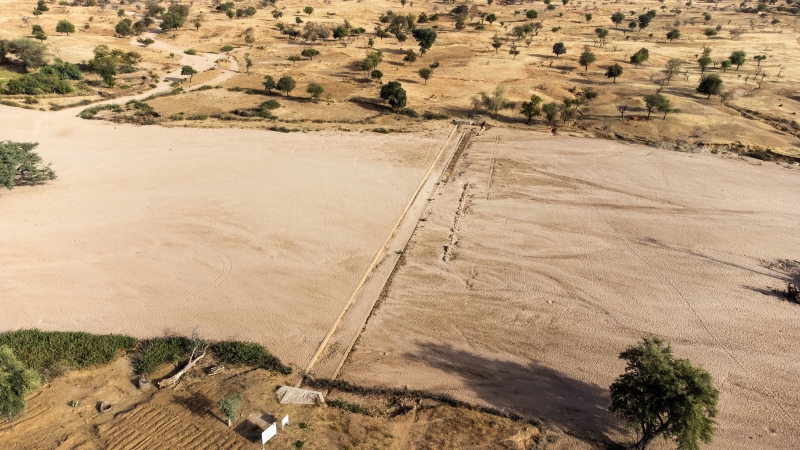
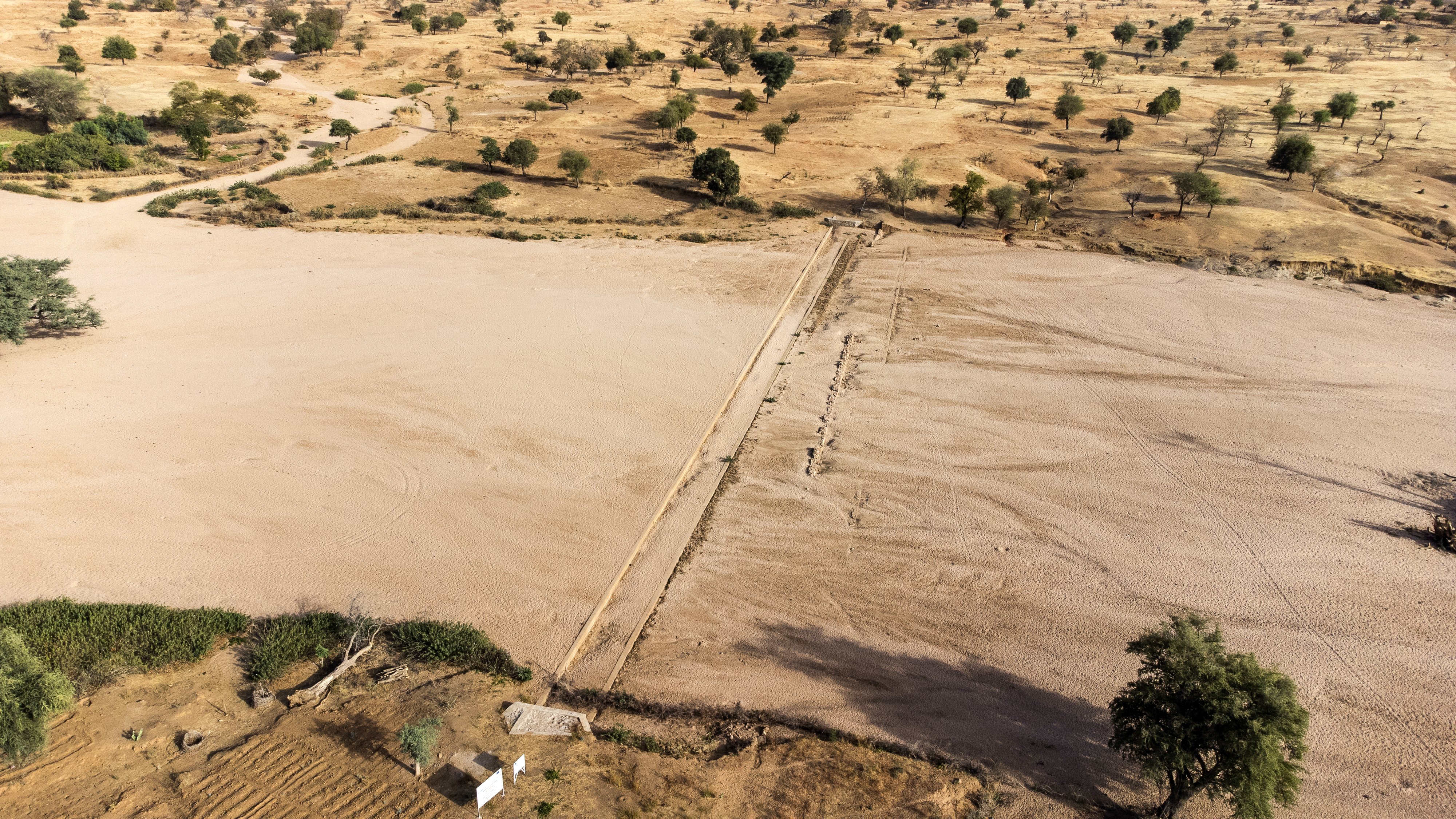
EU-supported seuils d’épandage are improving water management in Eastern Chad by controlling and distributing floodwaters, enhancing groundwater recharge, and protecting soils. Implemented by UNHCR in partnership with local authorities, these hydraulic structures regulate water flow across valley beds and help mitigate water scarcity. The approach regenerates vegetation supports crop and livestock production, and strengthens community resilience. The EU’s EUR 3 million contribution funded the construction of three seuils in Ouaddaï in June 2024, directly benefiting over 4,000 farmers, 72% of whom are women. Two additional seuils are under construction near Aboutengué, expected to support 1,500 households.
Key Resources
Contacts
UNHCR: Yves Amoussougbo, Senior Development Officer ([email protected])