Central African Republic
Central African Republic
On this page
The Central African Republic's Response to the Sudan Crisis
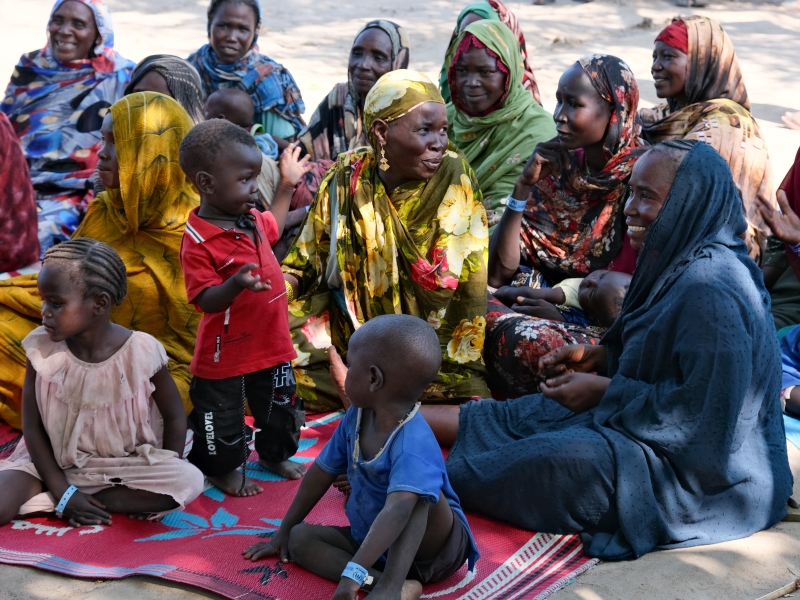
The conflict in Sudan has affected communities across the country, including South Darfur, which borders the remote northern Vakaga prefecture of the Central African Republic (CAR). As of September 2026, a total of 45,164 individuals have fled from Sudan into CAR, including 38,031 refugees and 7,133 refugee returnees. The Government of CAR (GoC) has kept its borders open to Sudanese refugees throughout the conflict. On 19 August 2023, the GoC granted prima facie refugee status to Sudanese nationals fleeing violence, enabling simplified group-based recognition of refugee status based on objective circumstances and the reasons for fleeing their country of origin.
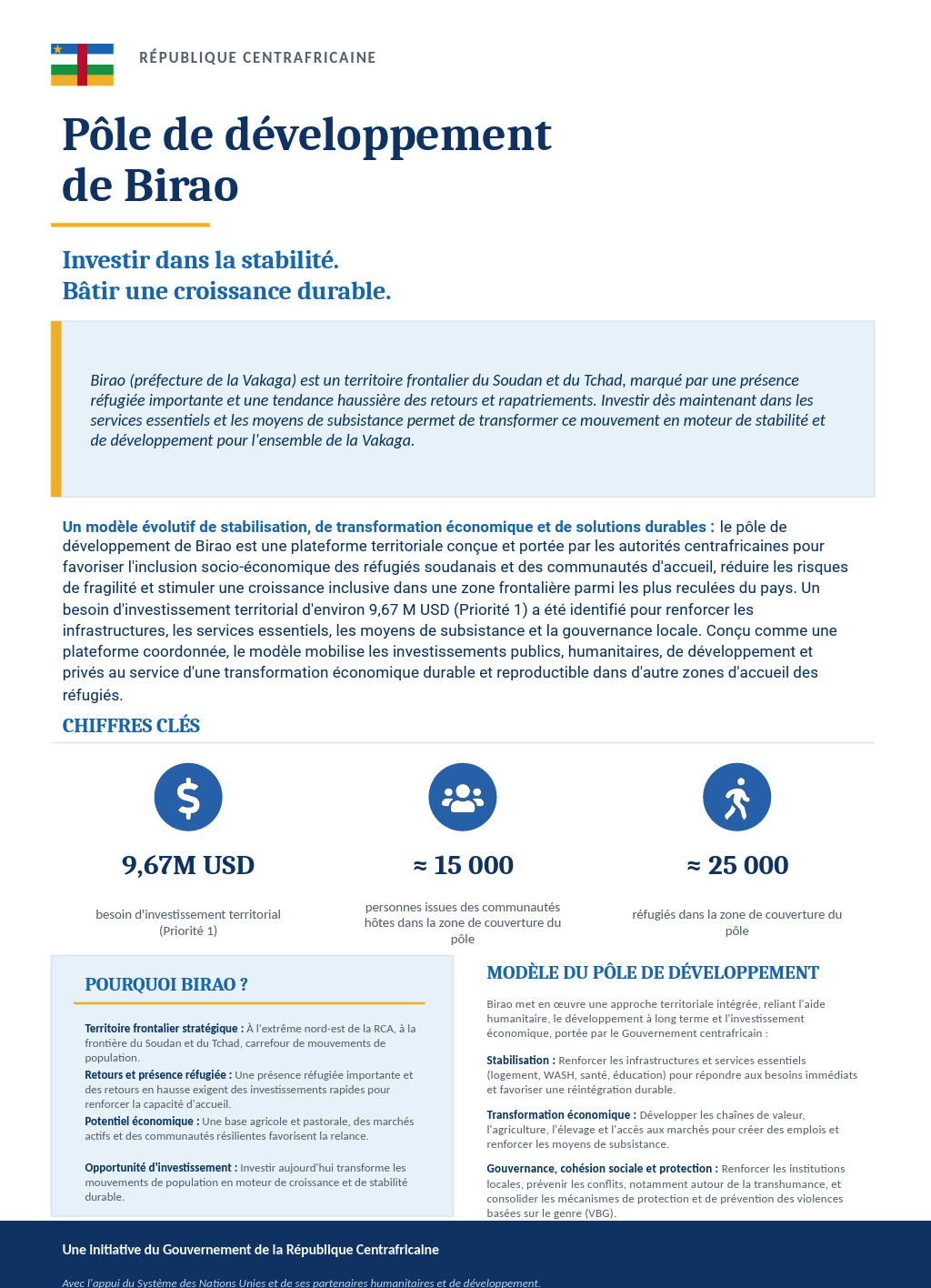
The GoC has adopted an out-of-camp policy that includes establishing refugee settlements within existing towns and villages, as well as the effective inclusion of refugees in national systems, including health and education. Most refugees from Sudan are women and children, arriving with few belongings after enduring traumatic events in the country of origin as well as during flight. The majority cross through the Am-Dafock border and proceed to Birao, some 65 km away, where the Korsi (which means “welcome” in the local language) refugee settlement has been established. Korsi is located in Vakaga prefecture, one of the country’s poorest and most underserved regions, characterized by remoteness, limited infrastructure and services, insecurity, and low population density.
Vakaga, one of the 20 prefectures of CAR, covers an area of 46,500 km² and has a population of 52,255 according to the 2003 census. Its capital, Birao, hosts 24,911 of the 38,031 Sudanese refugees registered in CAR. Korsi is a neighbourhood close to essential infrastructure, including schools, a hospital, and the base of the UN peacekeeping mission in CAR.
Some 13,120 refugees are spread across other regions, in hard-to-reach locations where protection, registration and documentation are provided, while access to basic services remains constrained due to the complex security environment, logistical challenges and a lack of funding. These refugees and their hosts are among the neediest, requiring concerted efforts towards self-reliance and peaceful coexistence programs.
Key Operational Issues
- Acute fragility: Over two million people remain acutely food insecure in the country. One in three Central Africans go to bed hungry, undermining human potential, economic growth, and social cohesion. In such a fragile context, even minor shocks can trigger major humanitarian impacts. Nowhere is this more evident than in Vakaga, home to Sudanese refugees, where isolation and insecurity amplify risks. Targeted investments to improve access, connectivity, food systems and social protection could transform Vakaga into a model of inclusive, area-based resilience.
- Logistics and physical access: Inaccessibility to displacement areas is one of the major challenges to sustainable responses in CAR today. Any successful development approaches in Vakaga require investments to disenclave the region by repairing access roads and making them useable during the six-month-long rainy season. Enhancing infrastructure in the region and connecting it to the capital, Bangui, would have ripple effects on the population and the country, significantly reducing operational costs for procuring and delivering supplies and services.
Access to health, water, sanitation, and hygiene (WASH) services is alarmingly poor because of prolonged underinvestment, conflict, and climate change. As of 2020 (UNICEF/WHO Joint Monitoring Programme, 2020), only 37.2% of the population had access to basic water services, 14.1% to basic sanitation, and 21.5% to basic hygiene facilities. Open defecation remains widespread (25.1% of the population). WASH challenges are especially acute in Birao, Ouandja, and Ouandja-Djallé, contributing to high rates of child mortality and malnutrition.
- Lack of qualified human resources. The challenge in attracting qualified human resources to the Vakaga region presents a significant risk to both the quality and sustainability of provision of services to the population. Investing in housing and connectivity would help retain staff. The Vakaga region needs to attract a qualified workforce — including health personnel, teachers, social protection, and child protection workers, as well as regional managers and directors — capable of delivering quality services to the population.
Policy & Legal
Policy & Legal
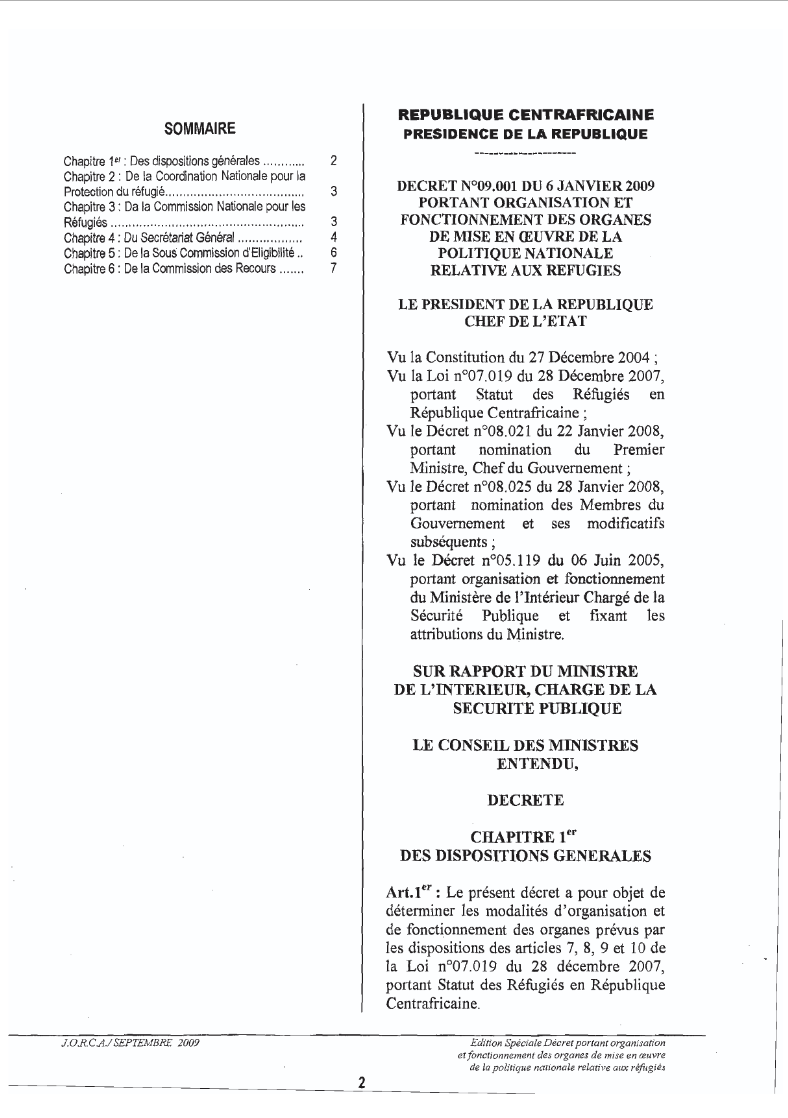
The CAR's 2007 National Asylum Law grants refugees the same rights as nationals, including access to education, health, and the right to work.
Socioeconomic Characteristics of Displacement & National Poverty Assessment
According to UNHCR registration data, the proportion of skilled Sudanese refugee workers fleeing to the Central African Republic has increased significantly — by approximately 35% compared to the situation observed at the beginning of 2025 — due to the continuation of the armed conflict in Sudan, which began in April 2023.
Similarly, the percentage of skilled workers in Birao increased slightly by 11% during the same period. This trend indicates a steady rise in the number of skilled workers among the refugee population, likely because this group has greater opportunities to find employment in the host country, the Central African Republic, or because they are more likely to leave Sudan during times of crisis.
Among refugees who provided education-related information during registration, trends indicate low levels of formal education, particularly among school-aged children and older adults, with more than 70% of individuals in both groups reporting no prior access to education. In contrast, the youth age cohort reported comparatively higher levels of participation in education in their country of origin.
Among school-aged children, 71% reported having no formal education, while 21% had attended basic education, including 20% at the primary level and 1% at the secondary level. An additional 8% had participated in non-formal education, such as Koranic schools. Among youth aged 18–35, 55% reported no education, 25% had attended basic education (13% primary and 12% secondary), and 3% had accessed higher education. A further 17% had participated in non-formal education. Among adults aged 36 and above, 70% reported having no education, while 19% had only informal education. Approximately 10% had attended basic education (6% primary and 4% secondary), and fewer than 2% had accessed higher education
CAR has one of the highest poverty rates in the world and faces its own significant development challenges, as well as conflict and displacement dynamics. Poverty stands at 68% nationally, with many IDPs in camps (World Bank 2023).
While agriculture is by far the most common activity, households involved in agriculture face significant limits on productivity and more must be done to improve access to markets and inputs for the sector to be a stable basis for self-reliance. At the same time, access to basic infrastructure – including water and sanitation, schools, medical services, and roads – remains a significant challenge for most households.
Korsi
Korsi
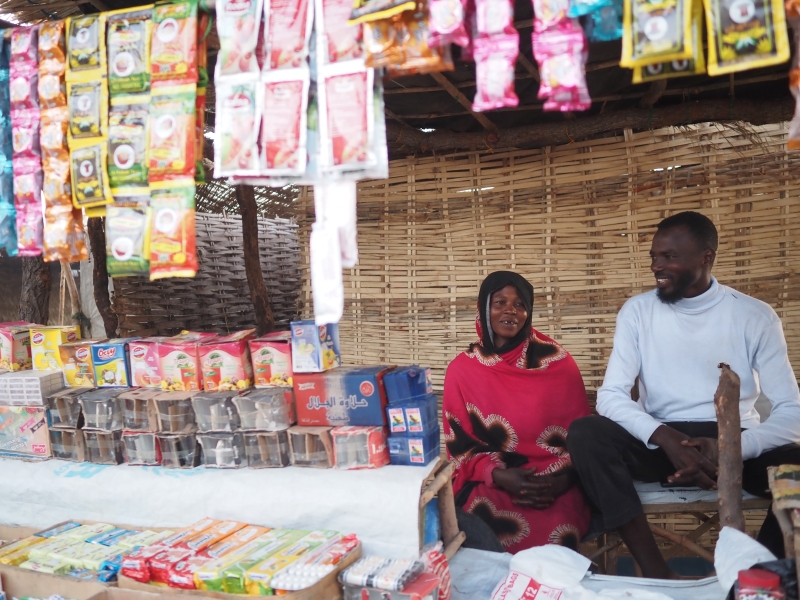
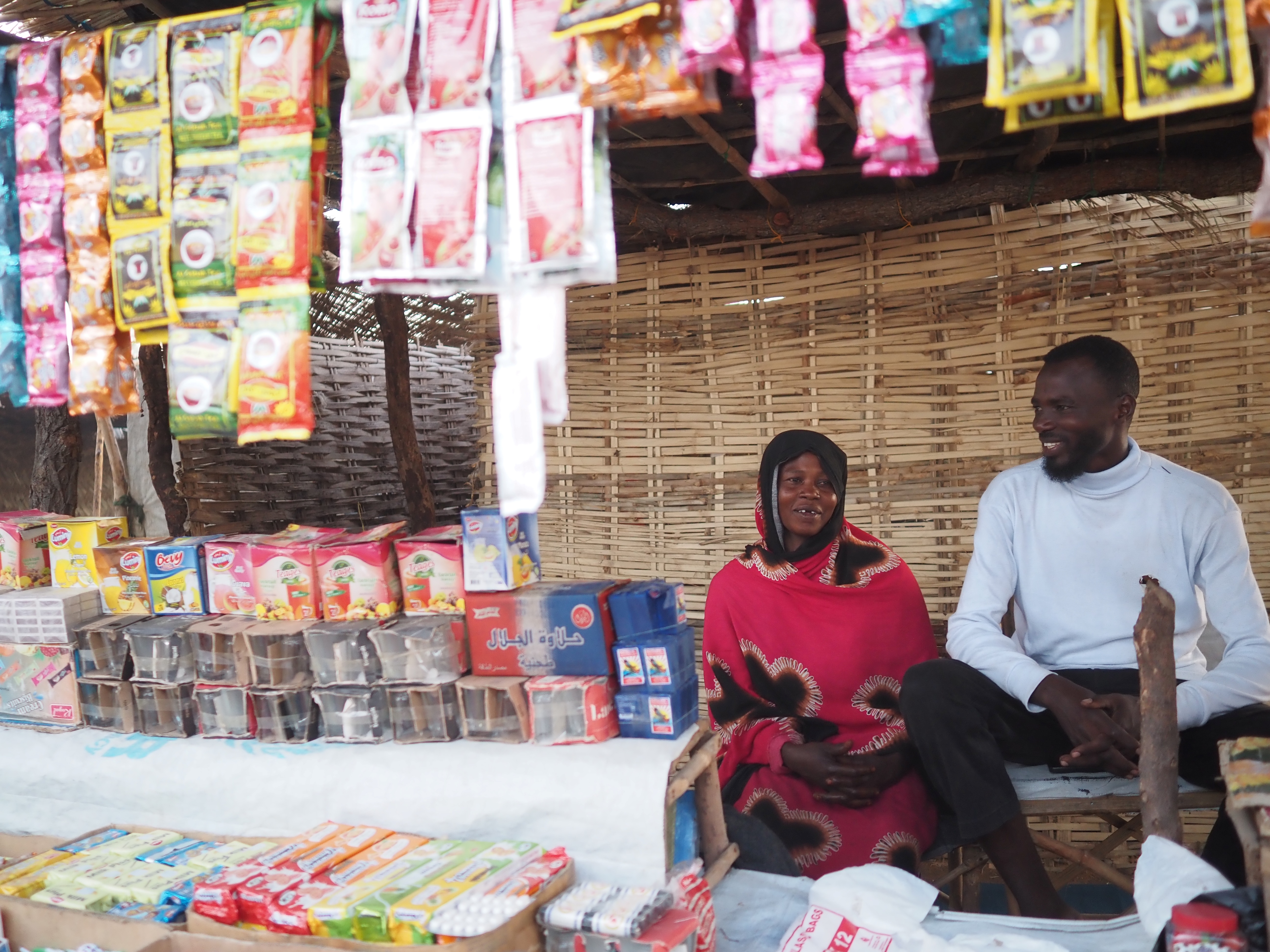
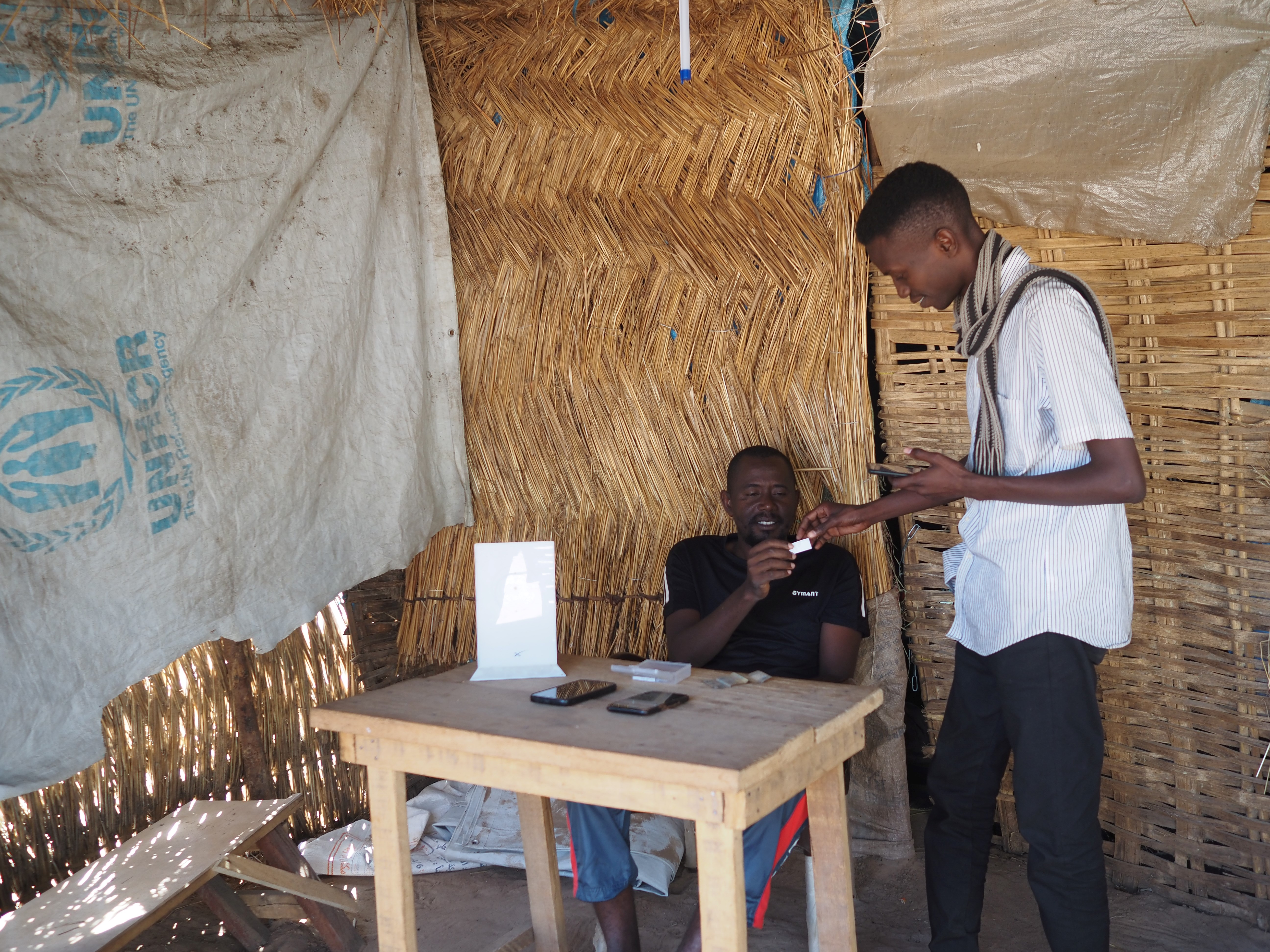
In April 2023, the Government of the CAR selected Korsi neighbourhood to host thousands of Sudanese refugees fleeing violence in Darfur. Before the Sudan crisis, Korsi was sparsely populated by Central African families living off farming and small trade. Since the refugee influx, Korsi has expanded rapidly and shelters more than 26,900 Sudanese refugees.
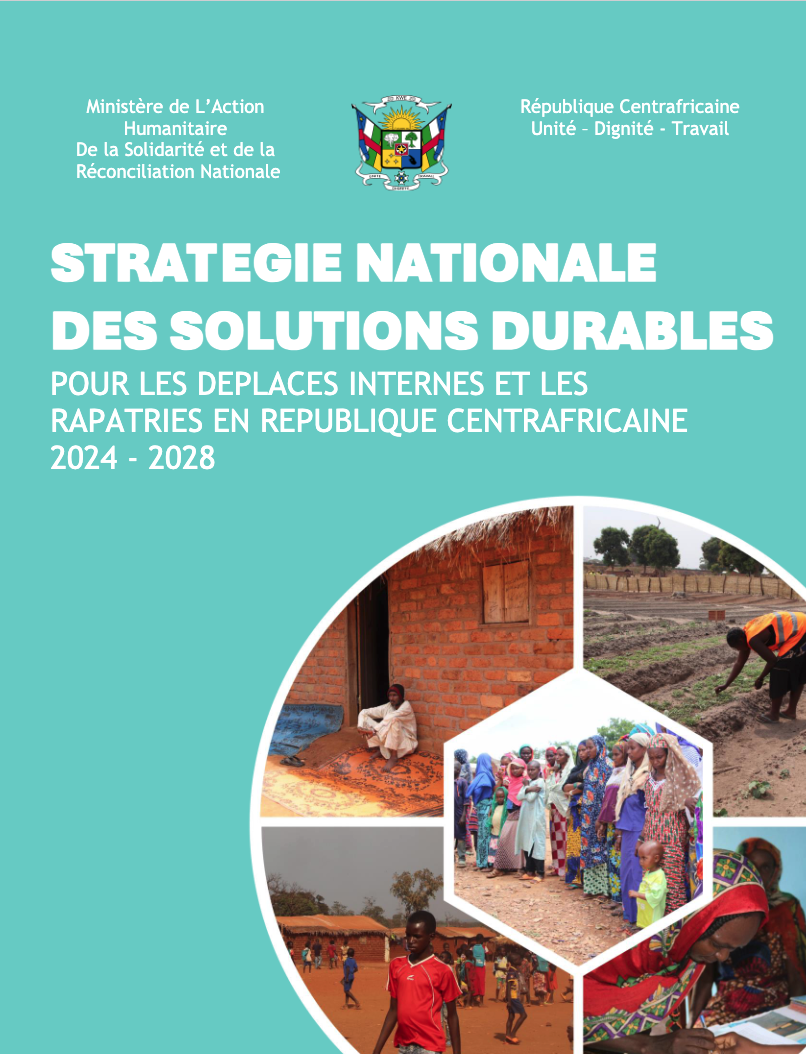
The overarching goal is to advance the inclusion of refugees into national systems and strengthen autonomy. Although government presence in Vakaga prefecture remains limited outside the provincial capital of Birao, and the influx of refugees has placed additional pressure on already overstretched basic services, there are several opportunities to strengthen the continued inclusion of refugees into local systems, particularly in the sectors of health and education.
Recommended Priority Investments
Government institutions
Strengthening state institutions with a focus on the security, justice, and civil registration sectors, enabling the government to deliver documentation services (civil registration for IDPs, returnees, host community and CNR leading registration of refugees) is crucial for the protection and the fundamental rights of forcibly displaced persons.
Agriculture and Social Protection
Accelerate and scale investments in food systems and social protection, including home-grown school feeding, to strengthen local production, market linkages, and community resilience while improving nutrition and education outcomes. In doing so, invest in human capital development through integrated approaches that connect food security, education, and nutrition – laying the foundation for inclusive growth and stability.
Water & Sanitation
Priority interventions include expanding the water network to ensure that all residents have access to clean and safe drinking water. This includes the installation of additional well-equipped boreholes to meet the growing water needs of the community. Investments are also needed to ensure every household has a family latrine, improving sanitation, and reducing the spread of diseases.
Health
Sudanese refugees are included in the national public health system and the Health Ministry response plans and strategies, particularly in the Vakaga region. The Government has integrated refugees into several free health care projects, notably the SENI PLUS project. Supported by the World Bank, this initiative aims to restore and protect essential health services, ensuring that refugees have access to healthcare under the same conditions as the host community. The SENI PLUS project relies on community health interventions to ensure free health care for children aged 0-5 years, pregnant and or lactating women. It also supports routine immunisation activities, child deworming, and the prevention of anaemia through vitamin A supplementation.
To further support these efforts, development financing can help address significant shortfalls in the quality of health infrastructure and equipment; in human resources, both in terms of quality and quantity; and the availability of medical supplies, including medicines and medical consumables.
Education
UNHCR works closely with the Ministry of Education to promote the integration of Sudanese refugees into the national education system in CAR. By the end of 2025, more than 17,823 Sudanese refugee children of school-going age were registered (53% girls), including 5,174 children aged 3–5, 8,768 aged 6–11, and 3,881 adolescents aged 12–17.
To facilitate the transition from the language of instruction in Sudan – Arabic – to the language of instruction in CAR – French – UNHCR has supported teacher trainings, French bridging classes, and extra support tutoring for Sudanese refugees, along with contributing to durable constructions and reinforcement of administrative capacity of decentralized education authorities.
School enrolment has increased since the start of the crisis, with 3,633 Sudanese refugee children enrolled in primary education (formal) and secondary education (bridging) by the end of the 2025, compared to 2,552 in 2024, and less than 500 in 2023. The gross enrolment rate at the primary level rose to 31% (28% for girls and 35% for boys), while secondary enrolment reached 23%, revealing a marked gender gap (12% for girls versus 35% for boys). Overall, only 29% of refugee children aged 6–17 were enrolled in school, leaving more than two-thirds out of school due to factors such as household labour, mobility, food insecurity, poverty, socioeconomic factors and academic preferences. There are still thousands of out-of-school refugees, returnees, and host-community children in refugee-hosting areas.
To ensure the sustainable integration of refugees into the national education system, further investments are critical to support the Ministry of Education in improving access and quality of education for all children. Infrastructure is a priority investment, including the construction of durable classrooms and WASH facilities in schools, lodging for civil servant teachers in remote and insecure zones to contribute to the retention of qualified teachers, libraries and offices with conference rooms for teacher training and strengthened education sector coordination. Also key for the sustainable integration of Sudanese refugees in the education system is the reinforcement of national teachers’ capacities on teaching French as a Foreign Language (FLE) to non-Francophone students, linguistic and qualifying technical training for former teachers among the Sudanese refugees to enable them to become educators in CAR, and provision of didactic and pedagogical materials to schools, particularly in remote areas.
Durable Housing
The strategy for shelter provision, tailored to the Birao context and emphasizing community participation, looks at providing homes and not “shelters”. The cost of a 24 square-meter semi durable house is approximately USD 2,000. The goal is to replace all emergency shelters in Korsi with semi-durable shelters by building 3,776 houses and an equal number of latrines as of 2026. The target population includes all refugee households, as well as 20% of IDPs, returnees, and the host community.
Road Infrastructure
Advocacy efforts are underway with MINUSCA to rehabilitate the main access road from Am Dafock to Birao. This rehabilitation is crucial for improving accessibility and facilitating the movement of goods and people in the region. UNHCR will support the UN peacekeeping mission by providing fuel and manpower for the operation.
Energy
To improve safety and accessibility, investments are needed in solar streetlights in public spaces and along roads within Korsi. Solar lighting is a sustainable, cost-effective solution that provides reliable illumination and enhances security, especially at night.
Ongoing Development Partner Interventions
Local Governance and Community Resilience Project
Partner: The World Bank | Budget: USD 53 M
Sectors:. Strengthening central systems underpinning decentralization and enhancing local capacity for service delivery, and direct interventions at the community level to improve community resilience.
Location: North-East South & Central Duration: 5 years
Implementing entities: UCP-LONDO+MEPCI, Ministry of the Economy and Planning
Human Capital and Women and Girls` Empowerment Project (Maïngo Project)
Partner: The World Bank | Budget: USD 50 M
Sectors: Empower women and girls by improving their access to health, education, and skills services.
Location: Nana-Grébizi, Ouaka, Bamingui-Bangoran, Ouham, Vakaga and Bangui | Duration: 4 years
Implementing entities: Ministry of Economy and Planning, Ministry of Finance and Budget
Adaptive and Productive Social Safety Nets Project (Ndoye Project)
Partner: The World Bank | Budget: USD 22 M
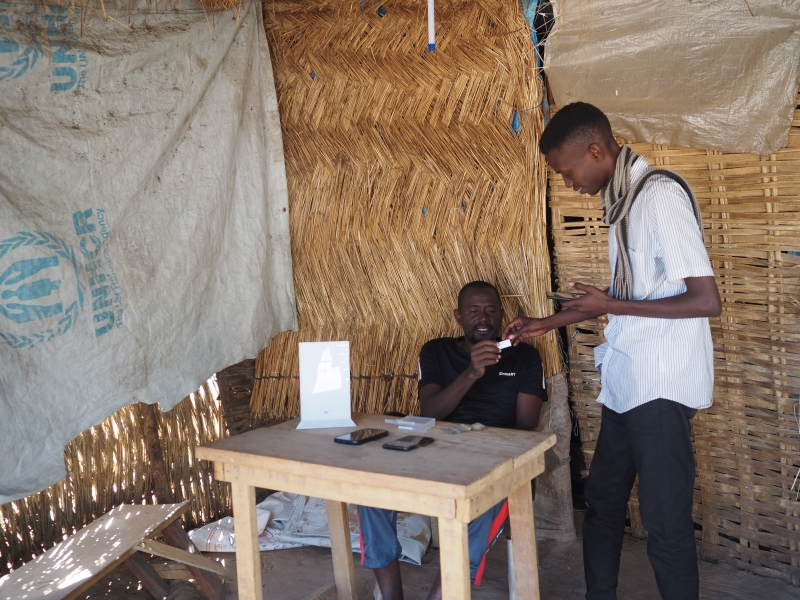
Sectors: Improve access to social safety nets for poor and vulnerable households and strengthen capacities to respond to shocks. It plans to provide cash transfers to households, including 8,250 Sudanese and other refugee households and their host communities.
Location: Ouka, Basse-Kotto, Haute-Kotto, Mbomou, Vakaga, Bamingui-Bangoran et Haut-Mbomou | Duration: 6 years
Implementing entities: Ministry of Humanitarian Action and National Reconciliation
Strengthening Resilience and Social Cohesion in the Vakaga Prefecture through equitable Access to Essential Services for Refugees and Host Communities
Partner: UNICEF | Budget: USD 0.5 M
Sectors: Health, Nutrition, WASH, Child Protection
Location: Vakaga / Birao | Duration: 2 years
Implementing entities: UNICEF
Documents Library - Central African Republic
Contacts
UNHCR: Gloria Ramazani, External Relations Officer ([email protected])