Chad
Chad
On this page
Chad's Response to the Sudan Crisis
Chad is the largest host country for refugees per capita in Africa, with over 1.5 million refugees, the majority from Sudan. Since the outbreak of conflict in Sudan in April 2023, over 969,277 new refugees – primarily from the Darfur region – have been recorded as of October 2026, along with 368,421 Chadian returnees as of May 2025, adding to the approximately 400,000 Sudanese refugees already present in the country. Chad has welcomed more refugees in the past year than it did over the previous two decades and ranks as the fifth largest refugee-hosting country per capita in the world.
Chad faces significant economic and social challenges. Poverty remains widespread and particularly affects rural areas, with over 42% of the population living below the poverty line as of 2019 according to the World Bank. Moreover, the Human Development Index ranked Chad 189th out of 193 countries in 2024, underscoring low levels of human development.
The Government of Chad has maintained an open-door policy for hosting and protecting people fleeing violence and persecution. Chad has made significant progress in strengthening its legal framework for the protection of forcibly displaced persons, implementing a remarkably progressive approach. Key texts include: the Asylum Law (Dec. 2020) and its implementing decree (Apr. 2023), Decree on legal assistance (2019), Decree on biometric identity cards (2019), Ordinance on civil status registration (2020), and the law on the protection of internally displaced persons (2023). These legal instruments, reinforced by the Country’s commitments made at the Global Refugee Forums (2019 and 2023), in particular the integration of refugees into national systems, serve as a foundation for strengthening legal protection and improving the socio-economic inclusion of forcibly displaced populations in Chad.
In response to the Sudanese crisis, the Government acted swiftly—just ten days after the conflict began, the transitional President signed a decree implementing the December 2020 Asylum Law to address the sudden influx of refugees. This decree offers opportunities to sustainably improve refugees' living conditions by:
- Granting access to land and securing land tenure through the establishment of integrated development sites as an alternative to refugee camps;
- Promoting self-reliance and local integration by allowing freedom of movement and the right to settle in locations conducive to refugee empowerment; and
- Providing refugees with biometric identity cards, which serve as residence permits enabling access to essential services.
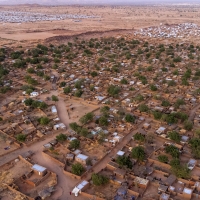
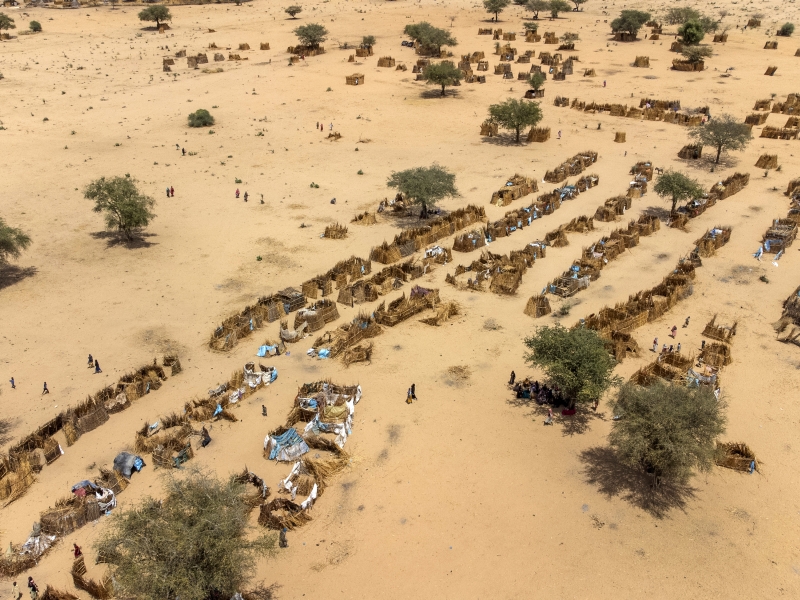
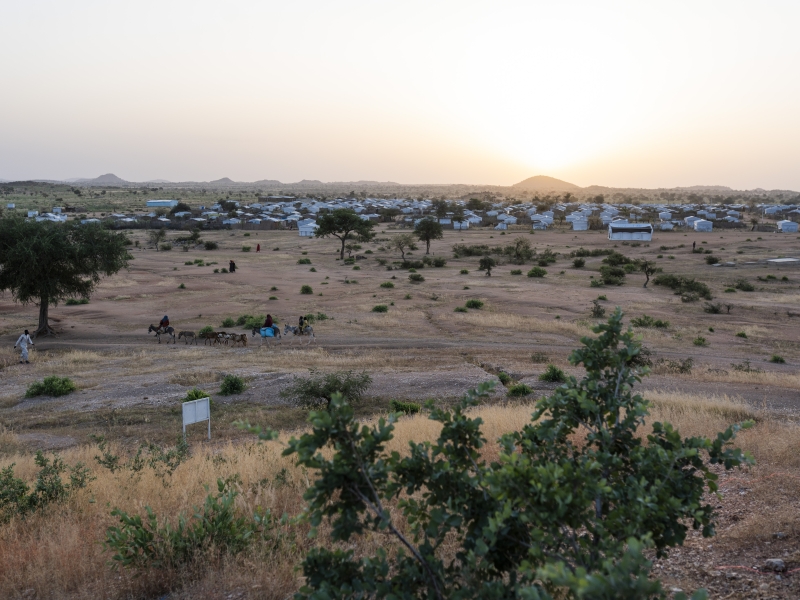
Sudanese fleeing the conflict since April 2023 crossing the border into Chad are hosted mainly in the provinces of Ouaddai, Sila, Wadi-Fira and Ennedi Est in Eastern Chad, as well as in the capital N’Djamena. In line with its policy of village-based settlement and integration, the Chadian government, through the Ministry of Land Management, Housing, and Urban Development (MATHU) and the Ministry of Planning, seeks to implement an integrated approach to integrate existing refugee settlements into urban and rural municipalities, villages as well as economic development hubs. Priority is given to investments in infrastructure, basic services, sustainable housing, and the inclusion of refugee areas in urban and local development plans. Particular attention is paid to ensuring the long-term sustainability of investments in essential infrastructure.
Data source: The Ajala Platform is a humanitarian coordination platform that collects comprehensive data for the response in Eastern Chad. It provides data at local and sectoral level across host villages, refugee and returnee sites, as well as a library for key documents within the humanitarian response.
ZOOM IN: The National Response Plan for the Crisis in Eastern Chad
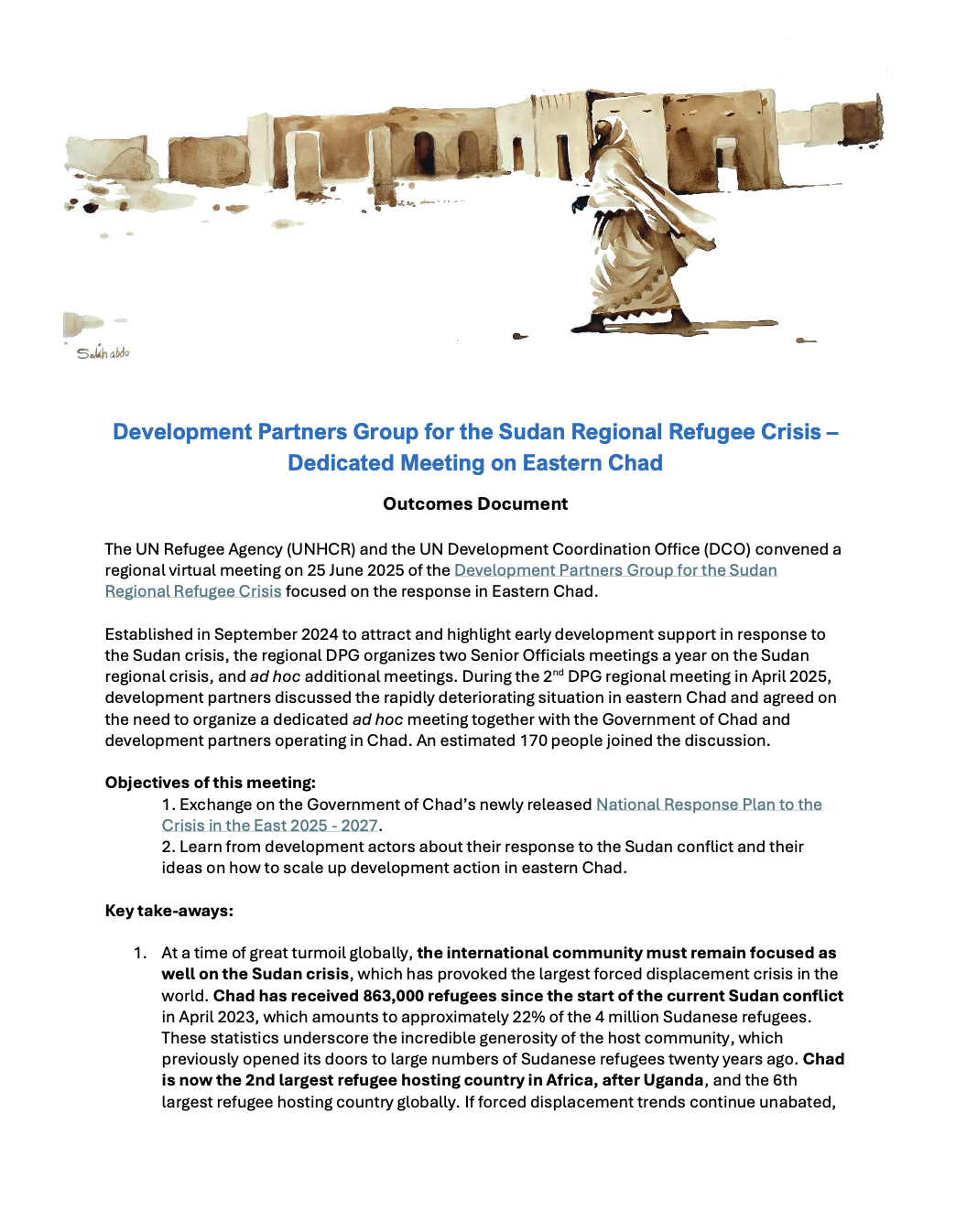
The Government released the National Response Plan for the Crisis in Eastern Chad 2025-2027 on February 16, 2025, to address the ongoing humanitarian and development challenges in the four provinces receiving people fleeing Sudan. The Plan focuses on providing immediate, life-saving assistance and supporting long-term recovery, resilience, and economic development. The Plan's five key pillars are:
- Pillar 1: Humanitarian response;
- Pillar 2: Building and strengthening resilience;
- Pillar 3: Community engagement, accountability and social cohesion;
- Pillar 4: Securing borders and affected provinces; and
Pillar 5: Coordination, monitoring and evaluation
Policy & Legal
Policy & Legal
What rights do refugees have in Chad?
Provinces and Settlements

Sectors
Additional development investments are essential given the scale of the forced displacement challenge. These investments should focus on Chad's eastern provinces of Ouaddai, Sila, and Wadi Fira and Ennedi Est which are hosting both new arrivals from Sudan and protracted refugee populations.
Recommended Priority Investments
Integrated Settlement Planning
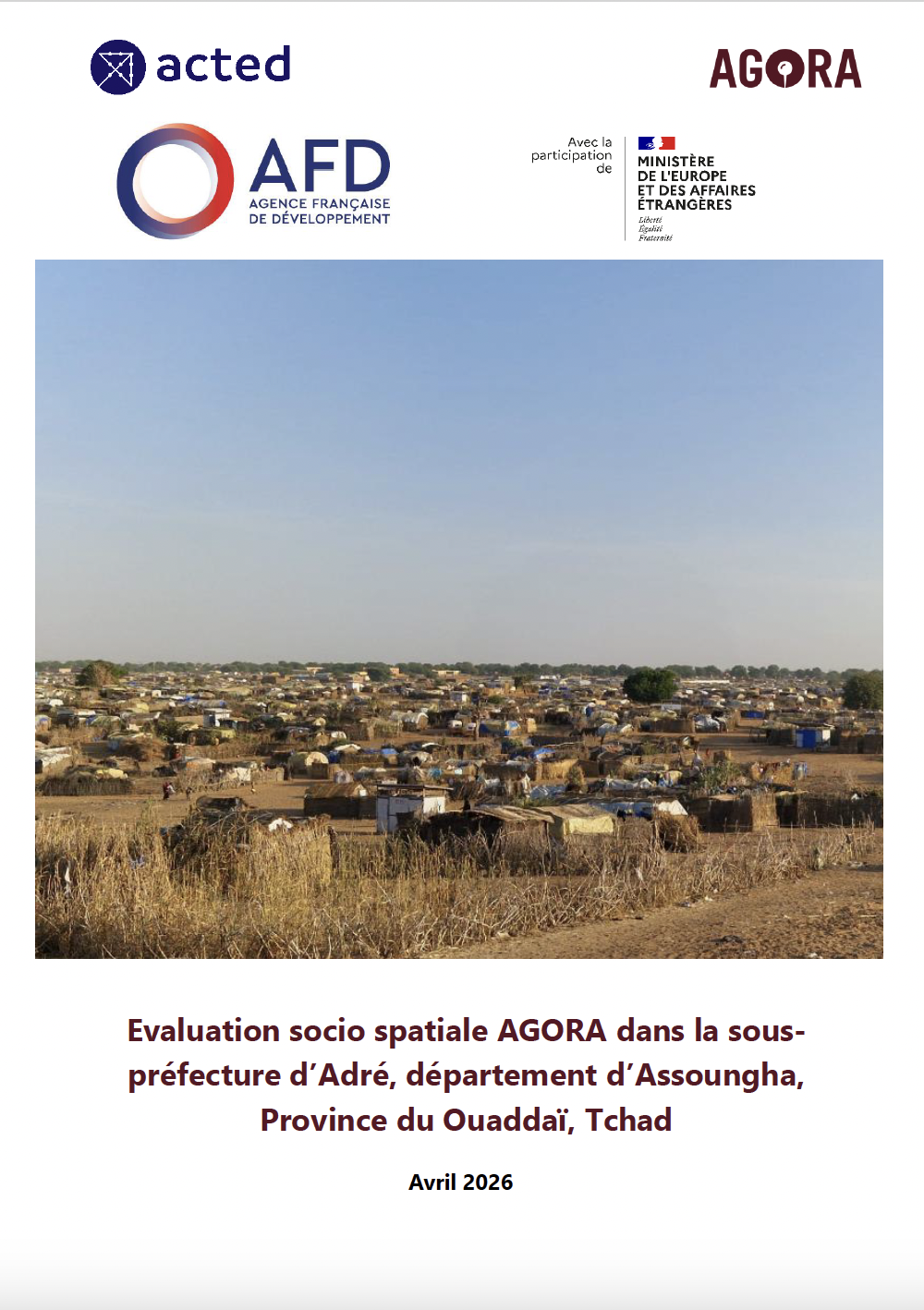
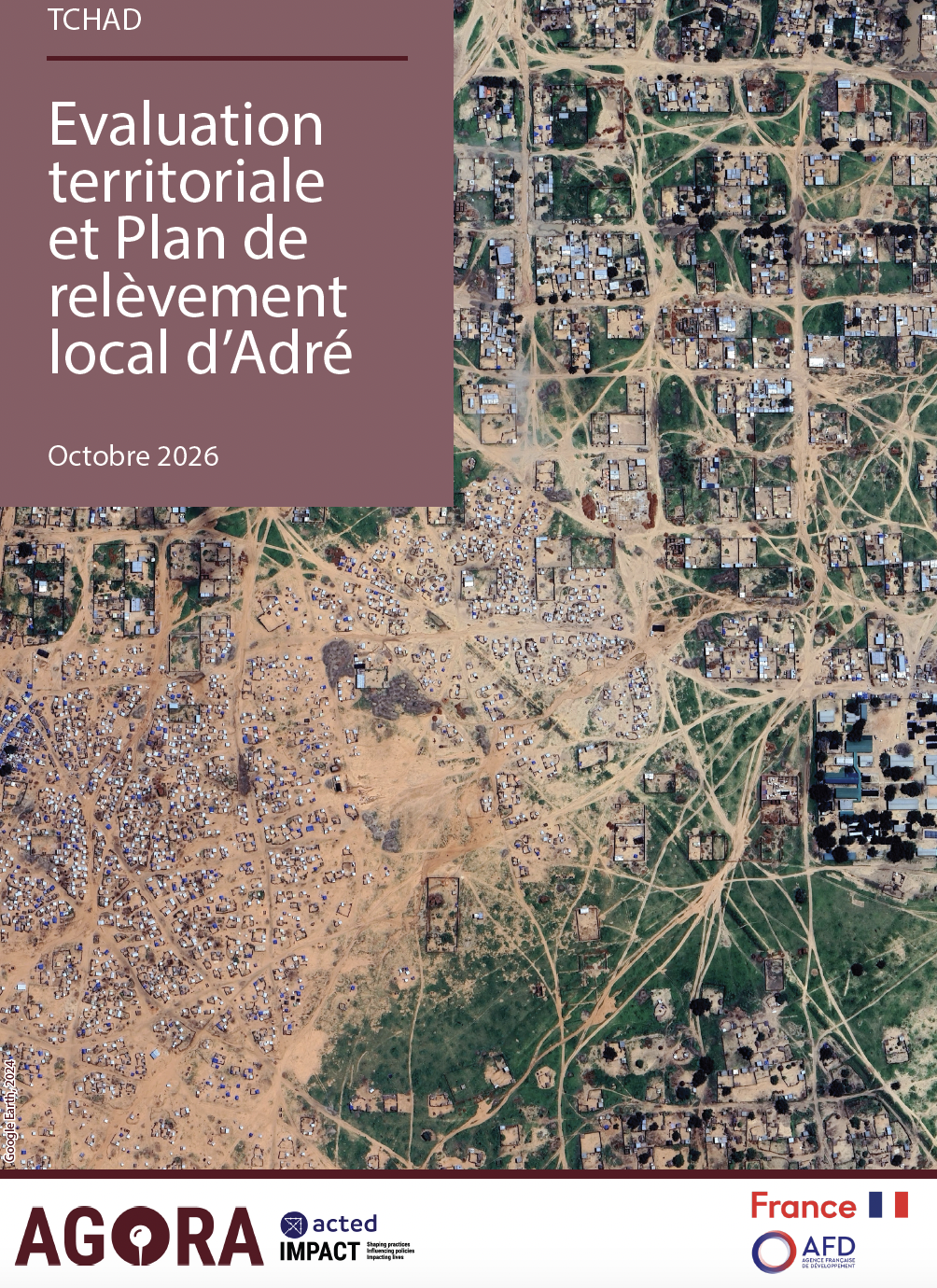
The Government has expressed the need for technical support to ensure the planning and viability of the new settlements built in eastern Chad, as well as the extension/rehabilitation of existing refugee settlements to accommodate for the new arrivals. A technical mission of UN-HABITAT under the leadership of the Government has taken place and the urban planning Action Plan is under discussions, as a result of the mission.
Documentation
Strengthening the refugee registration processes and issuance of ID cards will facilitate access to public services. The Government has started enrolling refugees in the National Biometric Population Register and providing them with a biometric identity card alongside a unique identifier number to refugees aged sixteen and above. Investing in documentation should be done for the new refugee arrivals as well as the protracted caseload. Enrollment started in N’Djamena and Abeche in February 2025 to reach 75,000 people.
Mobilize support for the funding of 100,000 biometric travel documents for refugees, in compliance with ICAO standards. The Government of Chad pledged at the 2023 Global Refugee Forum to issue identity cards and biometric travel documents to refugees. The issuance of travel documents will help facilitate access to higher education opportunities for Sudanese students and improve mobility for refugee graduates. According to the Government of Chad’s ANATS (Agence Nationale des Titres Sécurisés), the production of 100,000 travel documents is estimated to cost approximately 10.5 million USD (equivalent to 6,000 million CFA). This estimate is based on a unit cost of approximately 106 USD per travel document.
Resilience and Livelihoods
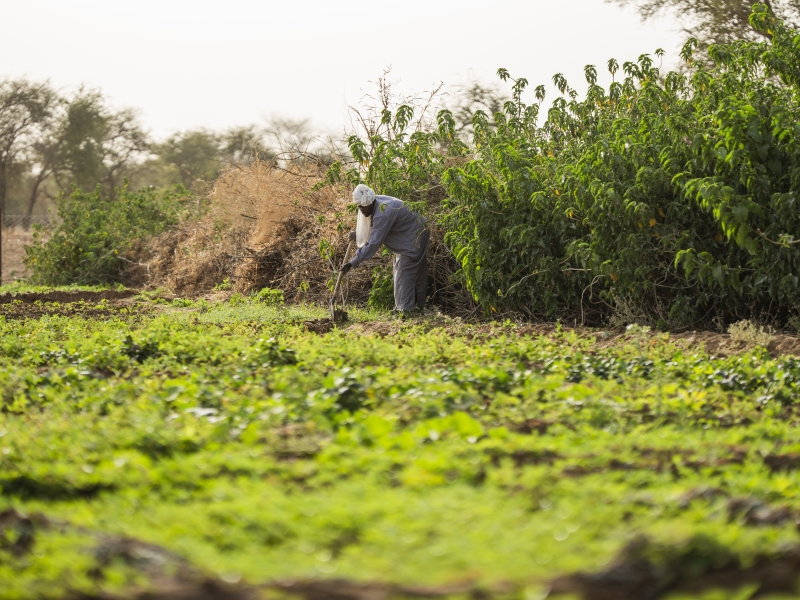
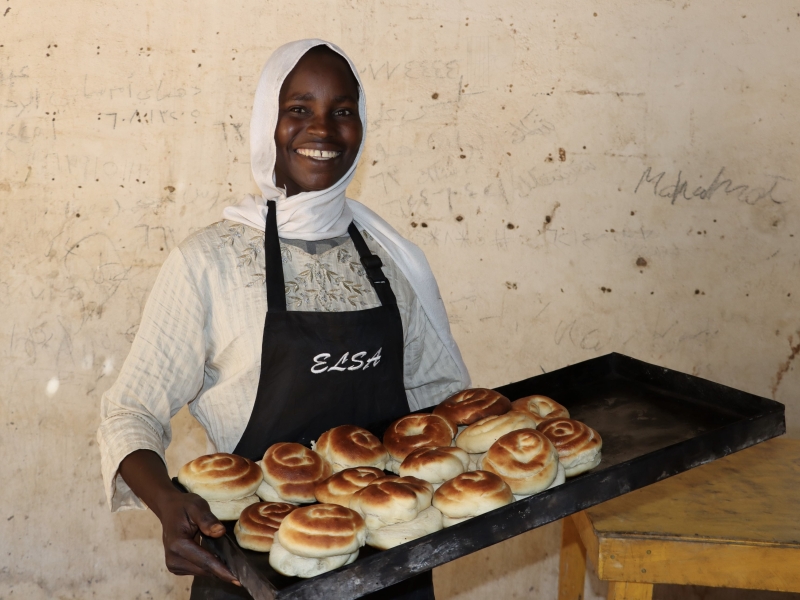
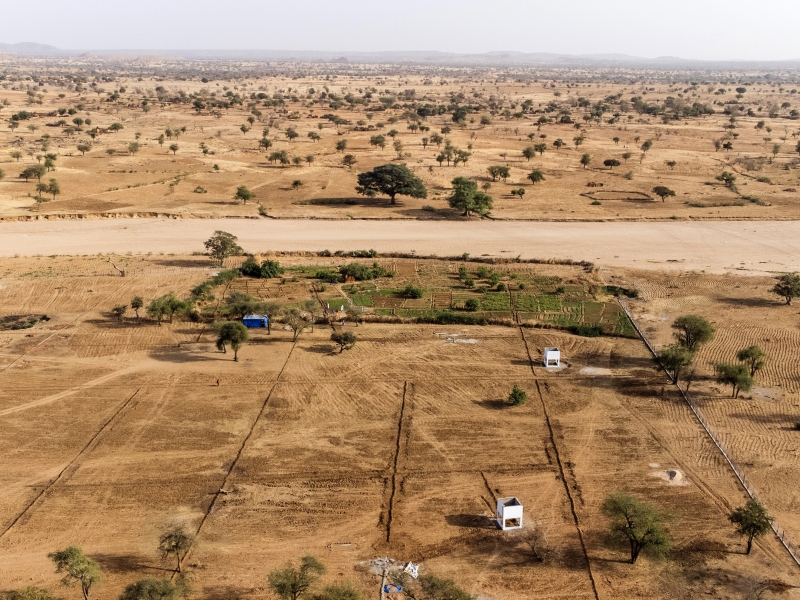
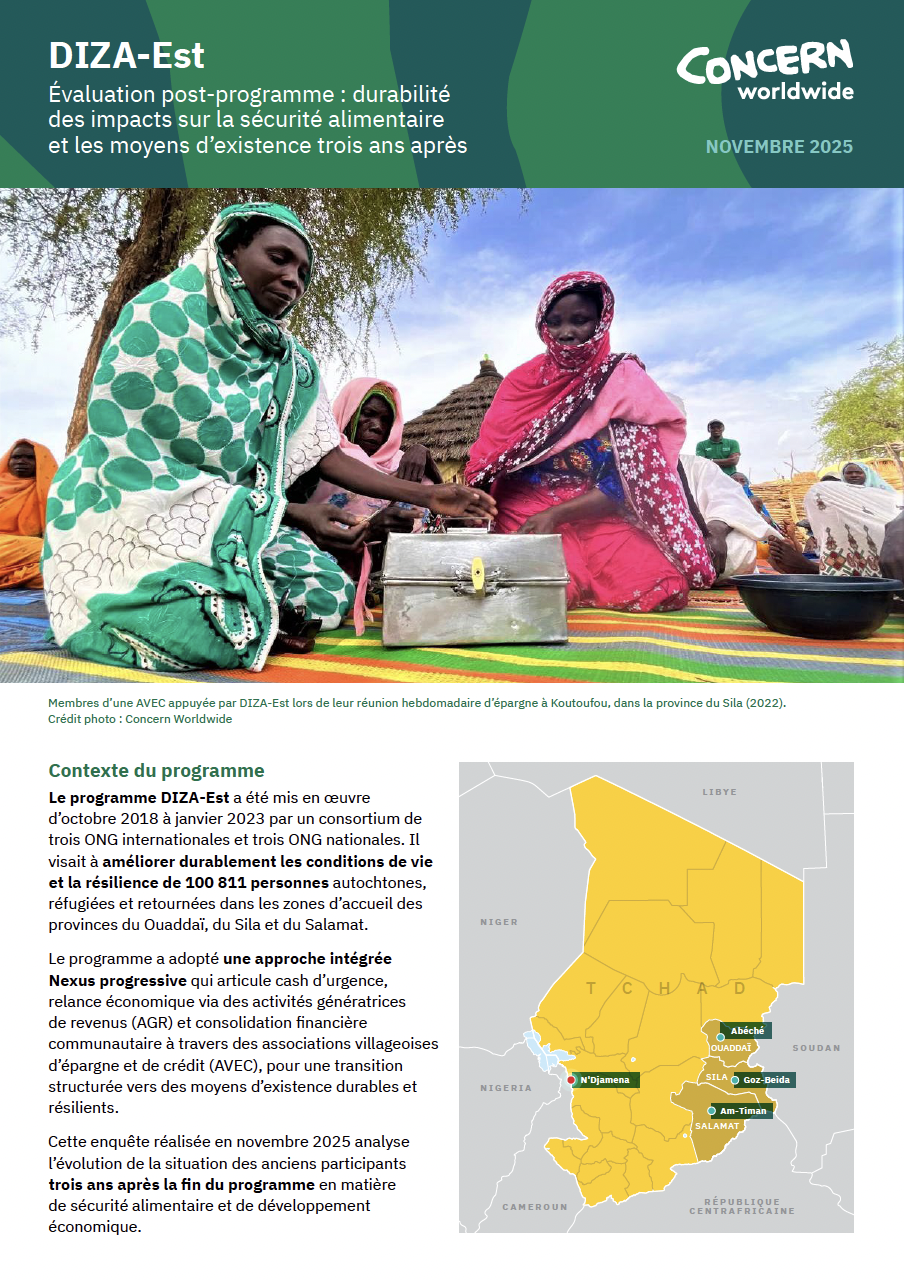
Agriculture and small business are the most promising pathways for resilience and self-reliance for refugees and their hosts. The socio-economic profile of newly arrived Sudanese refugees reveals a diverse range of potential and skills, with a significant number of professionals, skilled, and semi-skilled individuals. Although 85% have backgrounds in agricultural activities, there is a growing presence of tertiary sector professionals. These profiles could be an asset to diversify the region's economy and support the functioning of basic social services. Investments are needed to (1) support climate-resilient agricultural practices, and (2) expand economic opportunities for 15% of refugees with a non-agricultural professional profile, particularly for youth and women, to foster social cohesion and self-reliance.
On employment, within the application of the Asylum Law and its implementing Decree, the Government has expressed its will and taken concrete steps to facilitate the professional integration of refugee lawyers and medical practitioners, as well as other professions.
Health
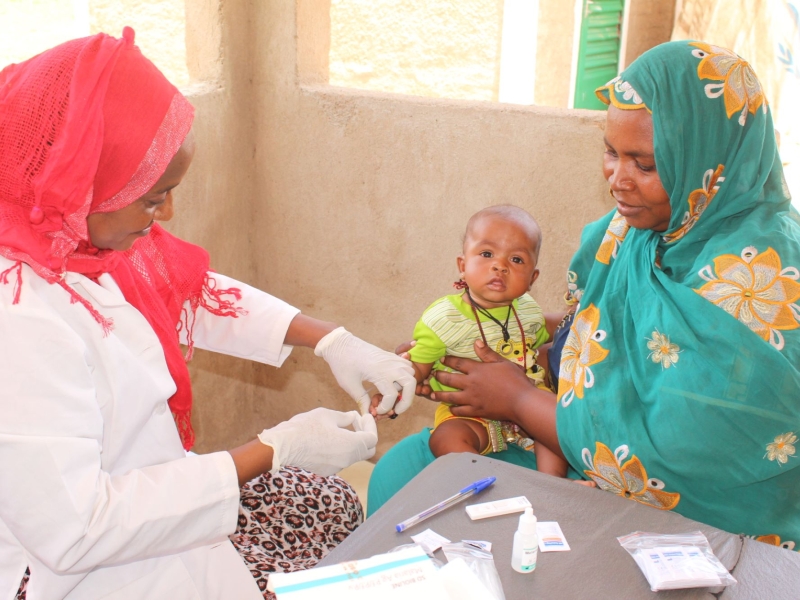
Expand and improve health services for refugees and host communities by constructing and rehabilitating health centres, providing medical supplies, and recruiting health workers. There is an urgent need to extend the national health system to areas hosting the new arrivals, with a priority of constructing and equipping additional new health facilities and rehabilitating existing health ones.
Education
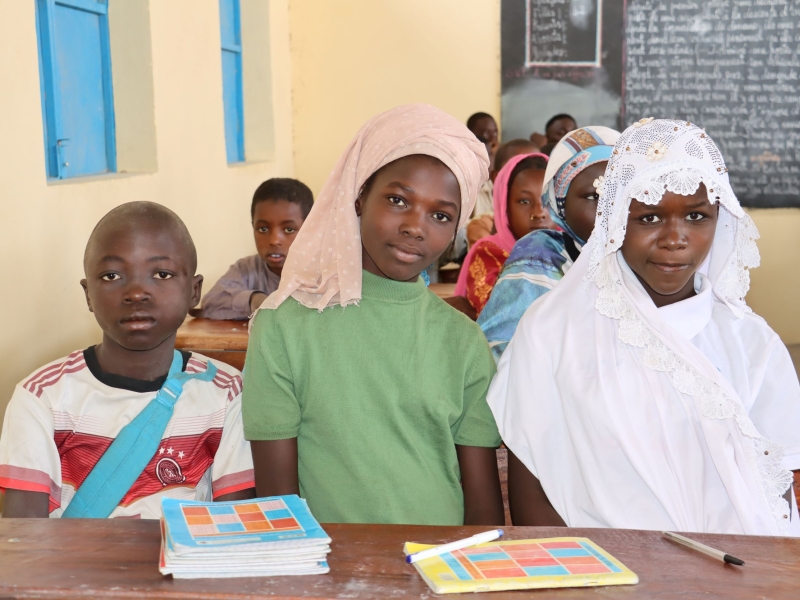
Build classrooms, train teachers, and provide school supplies to accommodate refugee and local children in line with the National Refugee Education Strategy 2030, which aims to ensure that all newly arrived refugees have access to the Chadian education system on par with nationals. In the East, there is an urgent need for additional classrooms to respond to the massive education crisis in the country. Over 250,000 new refugee children are school age, but they are out of school. With limited school capacity in Chad, there is a dire need to construct schools for the (re)enrolment of refugees and Chadians towards integration in the camp vicinities.
Access to Justice
The growing number of protection issues in refugee settlements and in host communities requires enhanced access to justice, governance and administration, to enable citizen rights and duties, as well as to guarantee refugee standards.
Water and Sanitation
Establish sustainable water supply systems and improve sanitation in refugee settlements and host communities. Priority should be given to ensure a sustainable water supply in the new settlements established in 2024 and 2025.
Energy
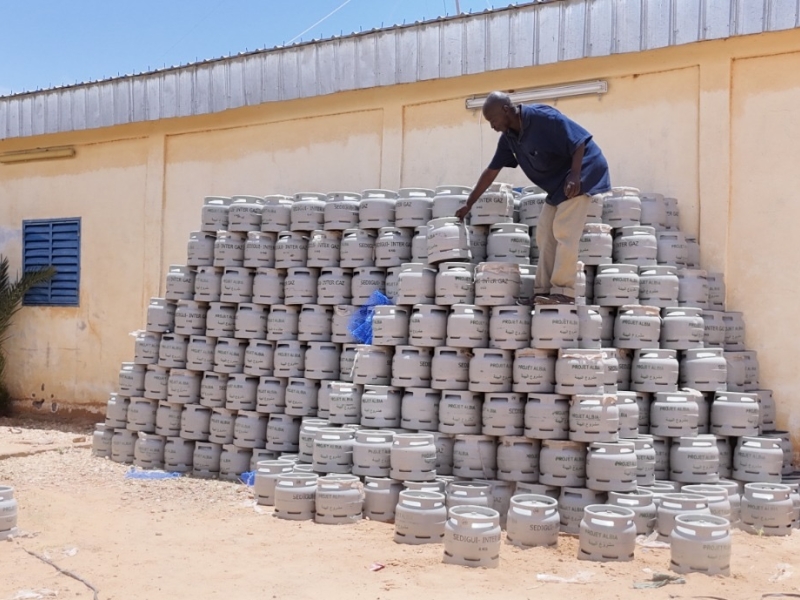
Deployment of improved clean cooking solutions for refugees and host communities. Limited or no access to cooking fuel and technology/solutions has had a significant impact on the environment, but also a dramatic impact on refugee protection, putting them at risk of GBV, tensions with host communities, and increased child protection issues, amongst others. There is a need for solarization of public infrastructures and provide alternative cooking systems (e.g. solar cooking, bio-gas cooking etc.) to prevent devastating deforestation. As for alternative cooking systems, the Government is providing ecological charcoal and gas to refugees in Wafi Fira province through the project Albia funded by the World Bank.
Environment
Implement reforestation and environmental protection measures to mitigate the impacts of deforestation and climate change. Trees need to be planted in and around the settlements, and the sites will be classified as protected natural areas. The aim is to minimize the environmental impact of deforestation and the effects of climate change, while creating better conditions for cohabitation of refugees and host communities.
Ongoing Development Projects
Refugee-Led Organizations
This dashboard maps the activities of over 490 organisations led by forcibly displaced and/or host communities in Chad.
Data source: UNHCR
Documents Library - Chad
Contacts
AFD: AFD Chad ([email protected]) & Naïma Tahran, Project Officer – Governance, Fragility, and Crisis-Affected Areas ([email protected])
FAO: Gueladio Thiam, Coordinator of the Emergency and Resilience Pole ([email protected])
IFC: Yannick A. Ntangke, Country Head ([email protected])
UN-Habitat: Camille Imbert, Territorial Planning, Aid & Development Specialist ([email protected])
UNHCR: Francesca Coloni, Senior Development Officer ([email protected])
UNRCO: Yahaya Balima, Head of Office and Strategic Planning ([email protected])
WHO: Eric-Didier K. N’Dri, Health Cluster Lead ([email protected])