South Sudan
South Sudan
On this page
South Sudan's Response to the Sudan Emergency
Fifteen years after gaining independence, including seven years after signing the most recent peace agreement, people in South Sudan continue to face deteriorating humanitarian conditions amidst a worsening economy. Conflict, subnational violence, public health challenges, climatic shocks, and large-scale displacement have severely affected people’s livelihoods and hindered access to essential services. Forced displacement in South Sudan is highly complex, with large numbers of internally displaced persons, refugees, and returnees living side by side with host communities. Displacement has long been part of South Sudan’s history, with an estimated one-third of its 12 million population having experienced forced displacement.
Since the onset of the conflict in Sudan in April 2023, more than 1.3 million individuals have arrived in South Sudan from Sudan, including returnees, refugees, and asylum seekers. As of October 2026, more than 465,813 newly arrived Sudanese refugees and asylum-seekers have crossed the border into South Sudan. Many have been voluntarily relocated to existing refugee settlements in Upper Nile and Ruweng Administrative Area and to a newly established settlement in Aweil in Northern Bahr el Ghazal. More than 913,587 South Sudanese in Sudan before the conflict were forced to return under adverse circumstances. Upon arrival in South Sudan, returnees indicate their intention for onward destinations – primarily to Upper Nile, Unity State, Central Equatoria, Northern Bahr el Ghazal, Warrap and Western Bahr el Ghazal. Returnees are also finding their way to peri-urban centres such as Juba, Bor, Torit, Yei, and Malakal.
The conflict in Sudan has had a catastrophic impact on South Sudan, disrupting trade and leading to a rise in food and commodities prices. This price surge exacerbates protection risks and vulnerabilities, further straining access to essential goods and services. It has also increased these communities’ food insecurity, negative coping mechanisms, and humanitarian needs. On top of this, climate change poses a significant additional threat to South Sudan, the second most vulnerable country to natural hazards globally in the 2024 INFORM Risk Index.
Despite facing significant development challenges, including the impacts of climate change and high levels of displacement – particularly in border areas – the Government of South Sudan has upheld an open-door policy, allowing access to its territory for all individuals arriving from Sudan, including Sudanese refugees, other refugees, returnees, and third-country nationals. The Government has granted prima facie status recognition to all Sudanese affected by the current crisis. It also seeks to support and leverage the resilience, skills and openness of refugees and host communities to assist one another in adverse conditions. This conducive policy environment creates the momentum to facilitate development approaches that support local authorities, host communities, and forcibly displaced and returnee populations.
Policy & Legal

Policy & Legal
South Sudan's refugee protection system is grounded in the 2012 Refugee Act and its 2017 Refugee Status Eligibility Regulations, complemented by the 2019 National Comprehensive Migration Policy.
Border Monitoring
In response to the increasing influx of refugees and returnees from Sudan, UNHCR, IOM and the Government of South Sudan established joint border monitoring and strengthened data collection. This initiative provides real-time information on the number, conditions, and immediate protection needs of returnees, supporting partners' response efforts.
Returnee monitoring enables the systematic collection of data on protection concerns and returnees’ perceptions of conditions in areas of return—including safety, security, access to basic services, infrastructure, and livelihoods. Additionally, analyzing trends in onward and pendular movements helps assess the sustainability of returns and the effectiveness of reintegration support.
This collaboration has led to the development of a joint dashboard offering live updates on inflows and returnee intentions. The data informs the identification of protection, rehabilitation, reintegration, and early recovery needs, guiding efforts to provide targeted assistance. Moreover, it is critical for shaping reintegration programming within national, regional, and local development frameworks.
Urbanization in South Sudan is increasingly driven by displacement, producing towns that expand informally and experience constant demographic flux. Displacement-affected towns like Aweil and Malakal face rising demand for land, housing, and basic services, while weak urban governance and unplanned growth exacerbate inequality and exclusion. In these contexts, the line between “displaced” and “host” populations is blurred, making area-based and inclusive approaches essential to promote stability, equitable service delivery, and local development. In support of area-based investments, the Government relies on the Area-Based Leadership model. The model is currently implemented in three States and coordinated by UNHCR (Upper Nile, NBeG) and IOM (Unity) in support of national strategies, monitoring interventions, and the direction of donor investments.
Pursuing Area-Based Responses
Aweil
Decades of conflict and insecurity within South Sudan and across the border in Darfur and Kordofan have accelerated pre-existing displacement patterns in Aweil. Refugees, war-displaced returnees, nomadic cattle keepers, and local families moving seasonally with their animals to source water make Aweil, the capital of Northern Bahr el Ghazal State (NBeG), a northwestern node for people on the move.
Since the escalation of conflict in Sudan, NBeG has witnessed a steady influx of returnees, particularly in Aweil East and North. Many returnees were previously residing in Sudan and are now dispersed across villages in the region. A small number have also returned there from Uganda, Kenya, and Ethiopia. NBeG also serves as a transit hub towards Warrap and other regions, underscoring the area's strategic importance in managing displacement. For further analysis, visit the Aweil page. For sectoral analysis, drawing from the service gap analysis conducted by UNHCR with support from EU INTPA, learn about Education in Aweil, Health in Aweil, WASH in Aweil and Livelihoods in Aweil.
Spotlight on Wedweil Settlement: At the onset of violence in Sudan, the Government of South Sudan and UNHCR established a transit centre to temporarily house new arrivals in the Aweil region. Since then, the Government has allocated additional land and formalised the Wedweil Settlement as the primary receiving settlement for Sudanese refugees. Covering 311 hectares, Wedweil Settlement is situated 40 kilometres from Aweil, along the highway leading north towards the Sudanese border. View the Wedweil Settlement page.
Jamjang
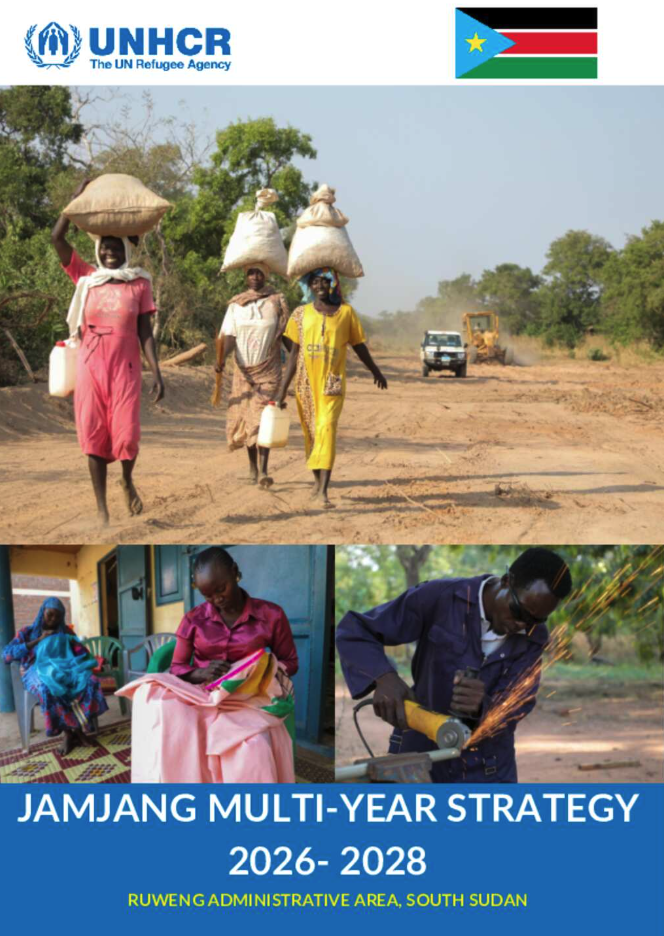
Jamjang is located in the Ruweng Administrative Area. A key refugee-hosting area near the border with Sudan, Jamjang hosts Ajuong Thok and Pamir refugee settlements. As of February 2026, 136,000 refugees have arrived in Jamjang and 80% are women and children (UNHCR 2026). New arrivals from Sudan have increased pressure on limited infrastructure and food security.
Ruweng Administrative Area produces 80% of South Sudanese oil. The Ruweng Area is rich in agricultural land and wildlife. Flooding has not affected Jamjang directly in the past years, but has impacted the road network and logistics between Juba and Jamjang. Local authorities and communities support allocating land for agricultural activities to refugees, many of whom have an agricultural background. Key investment areas include strengthening basic services, agricultural tools and inputs, irrigation and drainage systems, and vocational training (UNHCR-WFP 2023). Education infrastructure is fairly developed in the area (comprising ten primary schools and three secondary schools). However, congestion due to the increasing refugee population requires investments and expansion of schools.
Spotlight: Jamjang is an implementation area for the project Sudan Refugee Crisis on South Sudan Project (SRCSSP), funded by the AfDB and implemented by the Ministry of Interior and UNHCR. The project supports jobs and livelihoods, improvement of basic services, and environmental restoration. View the SRCSSP Environmental and Social Impact Assessment Report for Jamjang (UNHCR, May 2025).
Maban
Located in Upper Nile State, Maban is home to over 218,000 Sudanese refugees who arrived starting from 2011 (UNHCR 2026), alongside a host population of around 85,000 people. Between April 2023 and December 2025, 27,042 South Sudanese returnees arrived in Maban (IOM 2026). Refugees outnumber the local population roughly three times to one, resulting in considerable demographic pressure on already limited resources. Significant challenges in Maban include under-developed infrastructure, lack of essential services, and dependence on humanitarian aid. Socio-economic indicators reflect high vulnerability: poverty rates among host households often exceed 60%, while labor market opportunities remain scarce for both hosts and refugees. The Maban Strategy 2026-2028 promotes a voluntary and secure transition from refugee camps to integrated settlements that uphold the dignity and rights of displaced and host populations. Priority investments focus on upgrading infrastructure (roads, water, sanitation, energy, health, education), with a focus on integration into government-managed systems, localization of service delivery, and climate resilience.
Malakal
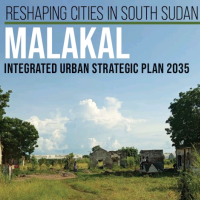
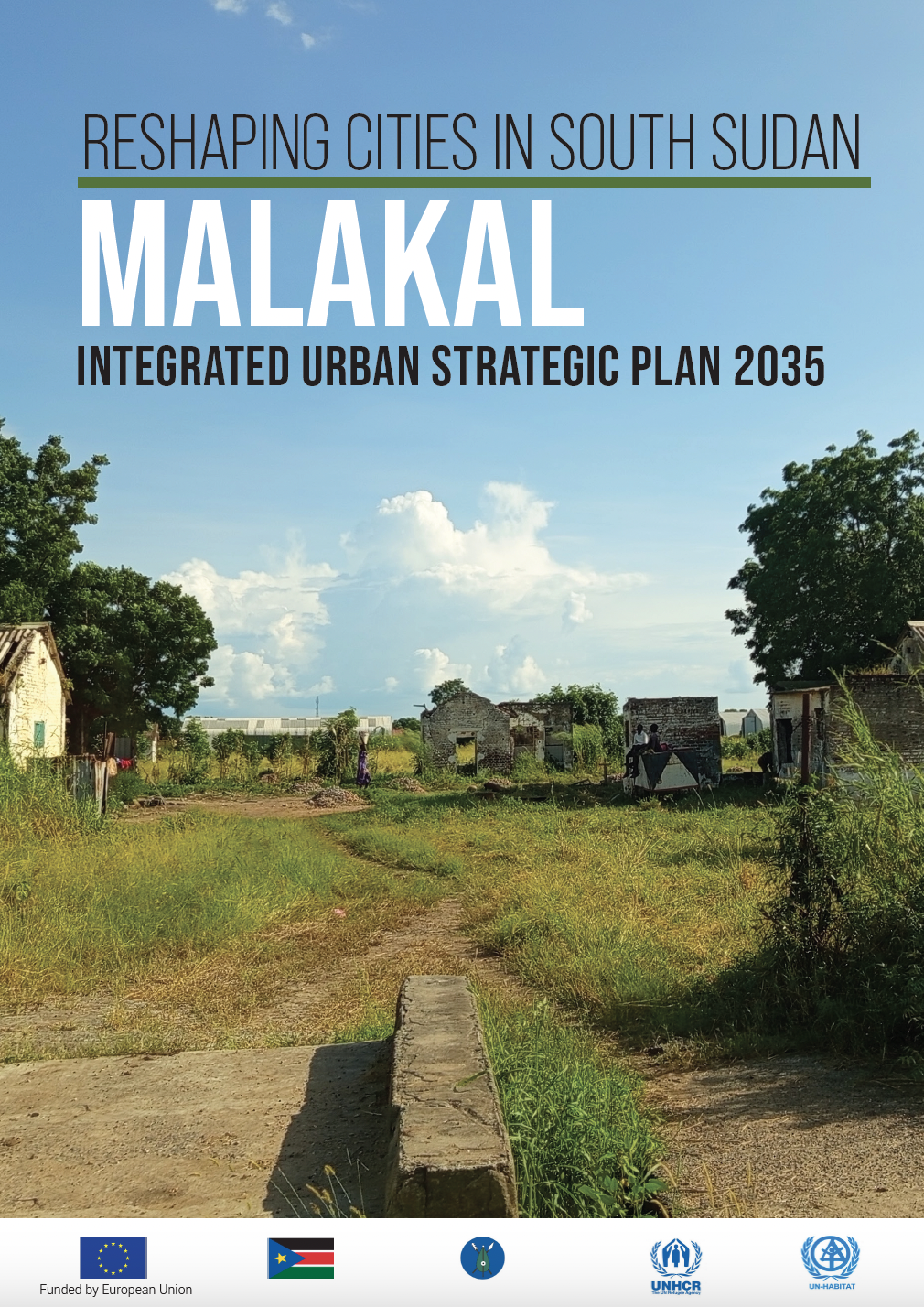
Malakal is the capital of Upper Nile State and has a population of over 200,000. Having suffered heavy destruction during the civil war, Malakal is now a crucial arrival and transit zone for Sudanese refugees and returnees. Many returnees from Malakal now wish to resettle there and participate in the city's reconstruction.
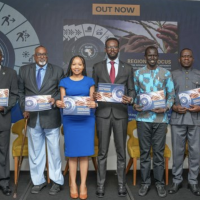
In September 2026, the Government of South Sudan, UNHCR and UN-Habitat launched the Malakal Integrated Urban Strategic Plan 2035, under the EU INTPA-funded Strengthening Community Adaptability and Resilience for Displaced and Host Populations in South Sudan Project. The Plan aims to address structural barriers to return, strengthen public infrastructure and access to essential services, and promote community cohesion and climate resilience to support long-term stability and effective urban recovery. It contributes to the development of new sites and their sustainable integration into existing urban structures and communities. It also outlines measures to support the relocation of 39,000 people from the UN Protection of Civilians site, established after the 2013 conflict, into Malakal town. Supporting this transition is the multi-year Area-Based Durable Solutions Roadmap.
Learn More
Renk
Between January and December 2025, joint border monitoring by RRC, UNHCR, IOM, and partner HDC recorded 220,044 South Sudanese and Sudanese arrivals entering South Sudan and settling in Renk County in the northern region of Upper Nile State. The scale of continued arrivals, the high level of vulnerability among displaced populations, and worsening conditions in areas of origin have kept humanitarian needs extremely high and placed significant pressure on local infrastructure. UNHCR conducted a socioeconomic profiling exercise in Renk in November 2024, providing insight into skills, education, income and occupation of new arrivals.
Renk and its surroundings constitute the main entry and transit point for refugees and returnees, many of whom wish to settle in Renk due to the proximity of the border, but also because of the economic opportunities offered by this crossroads area. Following the implementation of the humanitarian response in recent years, local and international actors are gradually committing to more sustainable investments in access to services and economic integration. The authorities have also made land available for settlement, on which a settlement (Abukadra) is developing. This vision is currently being formalized through the Renk County Area Based Durable Solutions Roadmap for Refugees, Returnees and Host Community (2026-2028), which will soon be finalized.
Project Spotlight: The Resilient Agricultural Livelihood Project (RALP) project is funded by the World Bank and implemented by FAO in collaboration with the Ministry of Agriculture and Food Security. The project aims to increase access to food and agricultural inputs, increase the availability of quality seeds, and enhance access to technology and mechanization. In Renk, the project also supports the construction and operationalization of the Multi-Purpose Community Center (MPCC).
View humanitarian updates via the Renk Inter-Sector Working Group.
Site Spotlight: Abukadra Integration Site Opens in Renk County: Sustained Investment Key to Solutions for Returnees
While the needs are immense and span the whole country, priority interventions are recommended in areas hit hardest by the impact of the Sudan conflict, including Renk, Aweil, Malakal and JamJang. All of these locations are characterized by a high level of poverty and food insecurity and wide gaps in infrastructure and public services, alongside deep institutional deficits. These investments are critical as the ongoing Sudan crisis has the potential to rapidly destabilize the entire northern region of South Sudan, leaving millions of people at risk of further displacement and violence.
Recommended Priority Investments
Basic Services
The high number of new arrivals in South Sudan is constraining the capacity of the State to provide basic services and has the potential to increase intra and inter-communal tensions and security risks. There is an urgent need to expand and strengthen health, education and WASH infrastructure in areas receiving the largest numbers of new arrivals from Sudan. This includes equipping and expanding classrooms in primary and secondary schools, accelerating English classes for integration, and supporting vocational training for refugees and host communities. Equally, there is a need to boost the capacity of health facilities and WASH services.
Refugee IDs and Civil Documentation
Those returning to South Sudan lack proper legal and civil documentation, which hinders their integration. In addition, refugee identification—which is a pathway to livelihood and self-reliance and also a Global Refugee Forum (GRF) pledge of the Government—requires support. Such investments are particularly relevant given the recent accession of South Sudan to the 1954 and 1961 Statelessness Conventions in November 2024 and South Sudan’s pledge on digital IDs and passports at the Global Refugee Forum.
Livelihoods and Economic Inclusion
Most of South Sudan’s 12.45 million population live in rural areas and depend on agriculture, livestock, fisheries and forest products for food, energy, and income. However, the impacts of climate change and displacement threaten these resources, which in turn drives food insecurity, malnutrition, tensions and conflict over scarce resources. While acknowledging recent investments by the AfDB, World Bank, EU, and others, further investments are essential to boost sustainable food production and food security, improve the skills of youth and women for self-reliance and wage employment, develop agricultural infrastructure, and support the development of micro, small, and medium enterprises for economic inclusion.
Environmental Rehabilitation and Climate Resilience
In support of the Government's GRF pledge on climate action, additional investments are needed to restore degraded forest and land resources, reduce losses to farm crops and the effects of flooding on farmlands, and strengthen access to energy in Malakal and Maban.
Settlement Planning and Infrastructure Development
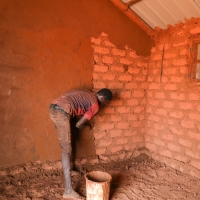
There is momentum supporting the development of integrated settlements and urban planning. The creation of master plans and investments in durable housing solutions are crucial to integration and peaceful coexistence.
Further investments are urgently needed to improve road infrastructure in the Upper Nile region.
Peaceful Co-existence and Reintegration
The arrival of returnees and refugees has impacted the country and communities, leading to tensions with local communities. Further investment is needed in area-based approaches and activities that promote peaceful coexistence.
Key investments should include strengthening community-based conflict prevention and dispute resolution mechanisms, supporting local governance and leadership structures, and expanding community-driven infrastructure and livelihoods initiatives that bring communities together around shared economic interests. Targeted support is also needed for youth engagement in conflict prevention and management, local governance, and opportunities for livelihoods and education. Reintegration efforts require a high degree of conflict sensitivity informed by iterative, participatory context analysis, and inclusive, accessible community feedback mechanisms.
Ongoing Development Partner Interventions
Documents Library - South Sudan
Contacts
UNHCR: Pierre Fichter, Senior Development Officer ([email protected])
UN-Habitat: Princesse Samba Makondele, Regional Urban Planner and Architect, Humanitarian Development Programme ([email protected])