
Returns to and within Sudan
Returns to and within Sudan
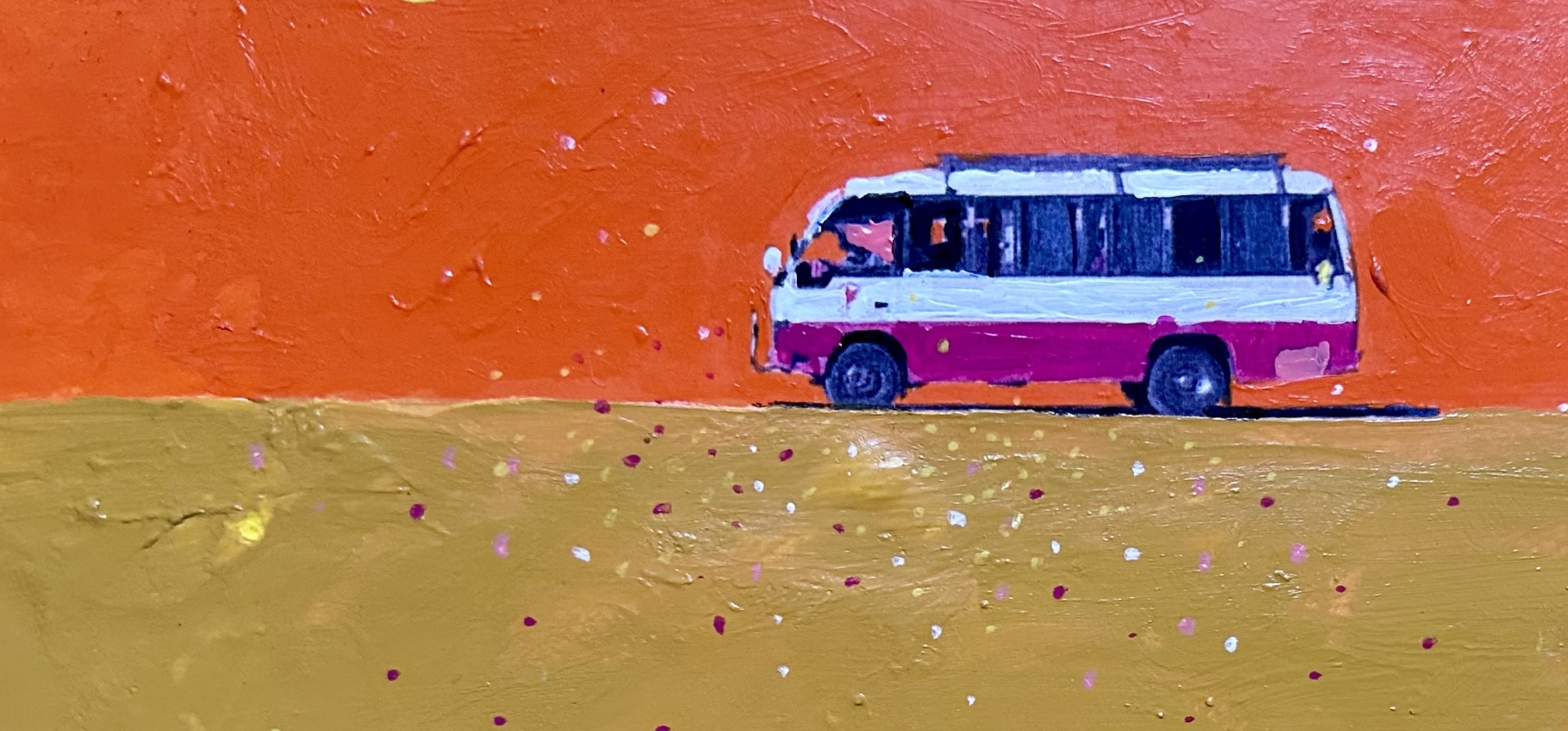
©Mohammed Mustafa, 2025
On this page
An increasing number of displaced Sudanese are returning to and within Sudan, particularly to parts of the country where hostilities have subsided, with the intention to begin the process of rebuilding their lives after more than four years of conflict. In Sudan, there are 4,032,452 returned IDPs (IOM DTM Sudan, August 2026) and 1.27 million returnees from abroad (UNHCR, 31 August 2026). Over 322,060 people have entered Sudan from South Sudan since April 2025 - 222,615 estimated Sudanese returnees and 99,445 estimated newly arrived South Sudanese (UNHCR, 31 August 2026).
Key Considerations
- Sudanese refugees, having sought safety from the devastating conflict in neighbouring countries, are now crossing back into Sudan, primarily from Egypt, South Sudan and Libya. Resources to support the refugees and other displaced individuals and their host communities in neighbouring countries have been significantly stretched. Limited economic opportunities in host countries also mean that many refugees are unable to supplement the assistance they receive and support themselves effectively. Many refugees and other displaced people are left with no viable alternative but to make the difficult journey back. Renewed conflict and food insecurity in parts of South Sudan, where people fleeing Sudan had initially sought safety, have also forced people to cross back into Sudan.
- According to IOM DTM data, the majority of returns within Sudan are undertaken by internally displaced persons (IDPs), who make up 82% of return movements in Sudan as of August 2026. Almost 90% of IDP households reportedly return to their states and locations of origin and their former homes, regardless of the sustained damage or destruction, often moving to places of residence that do not qualify as safe and dignified shelter. In view of the extensive damage to infrastructure in locations of return, access to essential services such as WASH and health remains an important challenge, and the arrival of returnees further stretches scarce services for returnees and communities of return in resource-strained environments.
- People are mainly going back to Khartoum, Al Jazirah, Gedaref, River Nile, White Nile, Blue Nile and Kassala States. While fighting has subsided in these areas, there are still dangerous remnants of war, infrastructure has been severely damaged, and basic services are scarce.
- Pendular movements are occurring, with some refugees crossing temporarily into Sudan to assess the current situation in the country before deciding to return. In 2025, UNHCR conducted an intention survey with nearly 2,000 Sudanese families in Egypt where 12% of respondents expressed an intention to return to Sudan within the next 12 months. However, within this group, 75% noted a likelihood that they will return to Egypt.
- Cross border movements and returns to Sudan should not be seen as a sign that the reasons people were forced to flee are no longer there. People who have fled Sudan, and are still fleeing Sudan, still urgently need international protection in neighbouring countries. Sudanese nationals – including refugees and asylum-seekers who were living outside the country before the conflict began in April 2023 – should have their cases reviewed fairly and promptly, in line with international and regional refugee laws. (Refer to UNHCR’s Guidance Note on the International Protection Needs of People Fleeing Sudan, April 2025)
- Refugees have the right to return to their country of origin voluntarily. The decision to return must remain with refugees themselves. They should have access to counselling services on the conditions in Sudan to make informed decisions on their returns. UNHCR, IOM and other humanitarian actors remain bound by the principle that returns must be safe, voluntary and dignified. Although UNHCR and IOM do not facilitate or promote returns under adverse circumstances to areas where basic rights and safety cannot be assured, they are committed to a respectful and principled engagement with the Government of Sudan on returns, based on humanitarian neutrality, and shared objectives of recovery and stability.
- Those returning to areas of origin in Sudan are finding dire conditions. More than four years of conflict have decimated the country’s infrastructure, leaving many areas of return, such as Khartoum and its environs, without electricity, clean water, schools, health care and other essential services. People returning are confronted with heightened exposure to infringements of housing, land and property rights, and find themselves in a fragile environment where the rule of law may be compromised, criminality is rising and protection risks increasing. In the face of this destruction, many of those who have returned find themselves in displacement-like situations once again. IDPs almost exclusively return to their places of habitual residence, which are often far from offering conditions of dignified and safe shelter, accessible services and clean water and health facilities. On the other hand, some returning refugees end up in collective shelters or with host families, with some eventually crossing back into countries where they had initially sought asylum.
- People returning in Sudan say they urgently need help with transport to their home areas, cash support to get settled and rebuild their lives, and food. They also need access to basic services such as shelter, clean water, health care, as well as protection and safety. Essential services should be strengthened not only for those returning, but also for the people receiving or hosting them, including those that stayed behind.
- Humanitarian and development support is needed to help returning Sudanese families rebuild their lives and live in dignity. Beyond meeting immediate needs, there must be sustained investment in recovery and reconstruction — including housing, schools, health facilities, water systems, and livelihoods — to ensure that returns are not only possible but sustainable. Assistance must be protection sensitive, needs-based and target returnees as well as host communities. Safe and sustainable returns entails rebuilding the severely damaged social fabric with a focus on the participation of communities in reshaping their areas of return.
- Through the Durable Solutions Working Group, DRC, IOM, UNDP, and UNHCR are coordinating return activities with partners and stakeholders, sharing relevant information on movements to and within Sudan to ensure planned responses meet people’s priority needs. UNHCR and IOM teams in Sudan, and in countries of asylum, are monitoring people arriving at border entry points to better understand their intentions, as well as the assistance and needs required.
- Ultimately, these movements underscore the urgent need for a long-term ceasefire that leads to a comprehensive political settlement and an end to the war. With sustainable peace, displaced Sudanese will be able to rebuild their lives in safety and dignity.