
Ura Settlement
Ura Settlement
On this page
Introducing Ura Settlement
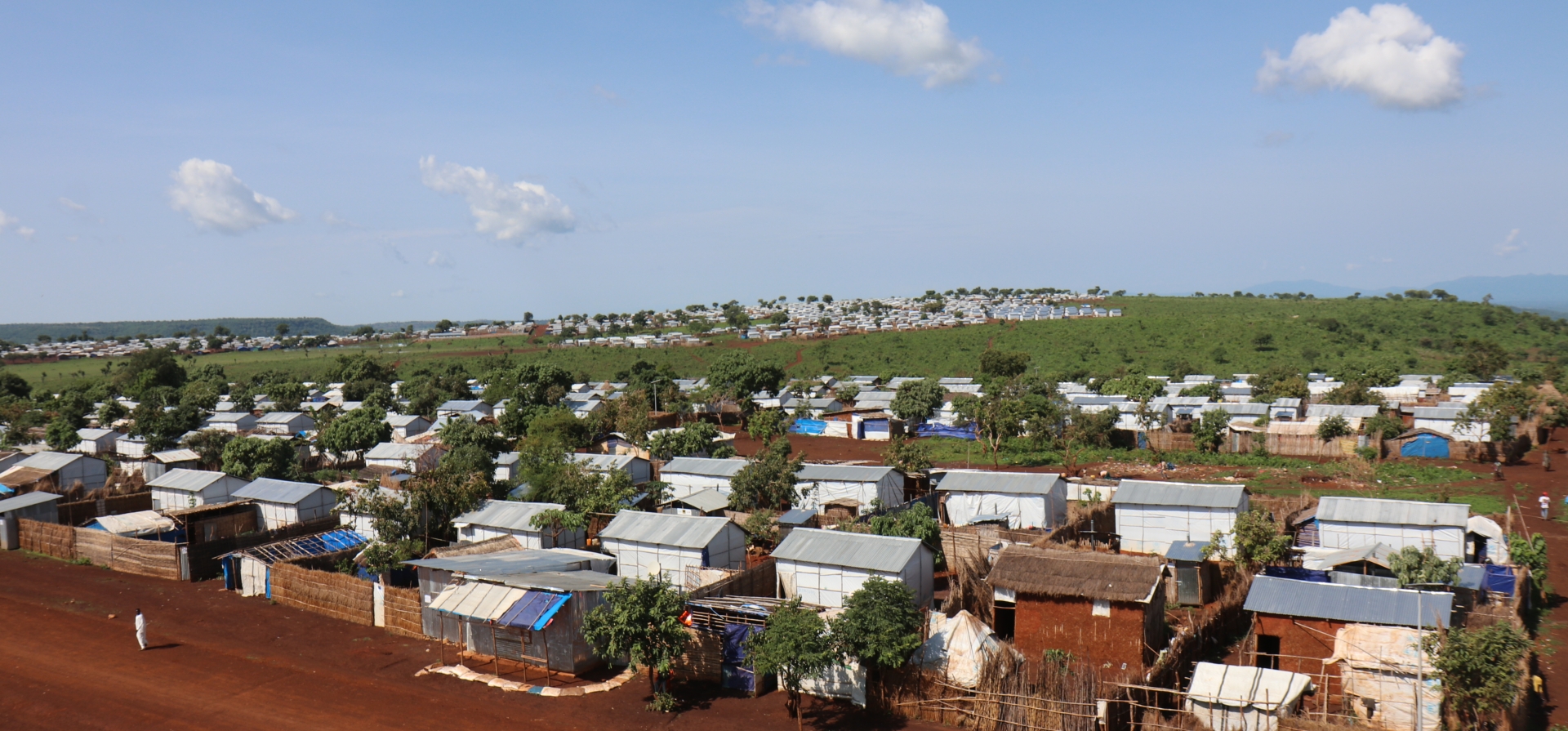
In January 2024, the Regional President of Benishangul-Gumuz Region authorized the establishment of Ura Refugee Site by providing 350 hectares of land to host a maximum of 34,000 refugees. Akuda Tumet kebele, the nearby village, is home to 3,500 host community members. As of August 2026, 14,581 individuals have been relocated to the new site (of whom 12,124 are L3 registered) and receive integrated services, including health, education, and WASH.
Ura Refugee Site sits 22 km from the regional capital of Assosa, 3.6 km from Ura town, and 1 km from Akuda village. The land is owned by the Kebele Administration. An earth road leads to Akuda Tumet Kebele, followed by an asphalt road to Assosa-Kurmuk. The Regional Government has allocated an additional 300 hectares of land near the site for agricultural activities and to promote the economic development of the area.
Key Figures (August 2026)
| Current population | 12,124 individuals (3,952 households) |
| Absorption capacity | 34,000 individuals |
| Occupation level | 36% |
| Area | 350 hectares |
| Region | Zone | Woreda | Kebele | Benishangul Gumuz | Asosa | Ura | Akuda-Tumet |
| Woreda population | 75,000 |
| Kebele population | 3,500 |
| Distance from the border | 62km from official point of entry 40km from the nearest border with Sudan |
| Distance to nearest urban center | 22km from Assosa (regional capital) 3.6km from Ura town |
| Internet connectivity | 3G |
| Connected to national electric grid | Partial |
A Solutions from the Start Approach

Sectors
Documentation
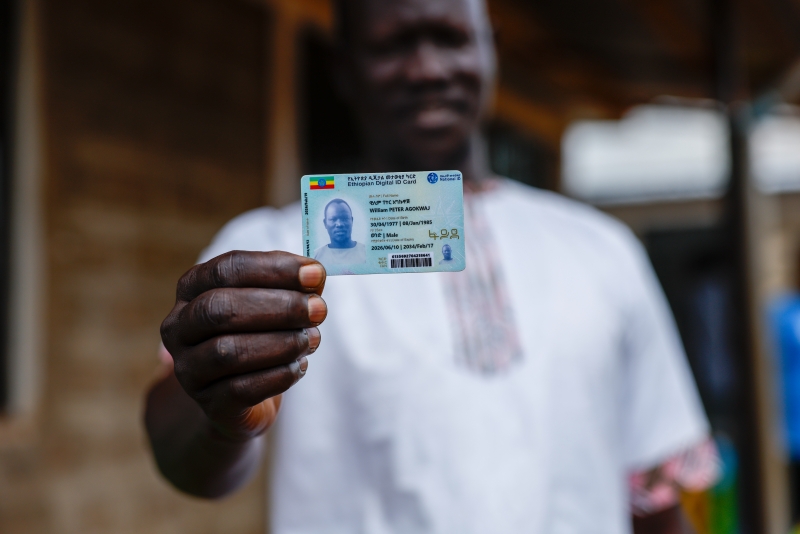
National ID Programme: In January 2025, biometric registration (L3 registration) and enrollment in the National ID program began. As of August 2026, 12,124 individuals registered and 9,354 individuals aged 5+ enrolled in biometrics for Fayda. In addition, 8,400 individuals were recorded for the National ID Programme (NIDP), and 2,641 individuals were issued with a digital Fayda ID while remaining 5,759 IDs are pending issuance. Government-led registration of refugees and asylum-seekers is a critical protection tool and facilitates access to services and financial inclusion. Support is provided by the EU for the registration center in Ura, and nationally by the World Bank (ID Project).
Financial Inclusion: As of August 2026, 500 refugee households in Ura have opened bank accounts. Thanks to Fayda IDs, refugees can also access business licenses. The SACCOs project has been launched, linking households with Savings and Credit Cooperative Organizations. Over 10 small business groups have been established and provided space to run their business in the newly established business centers.
Education
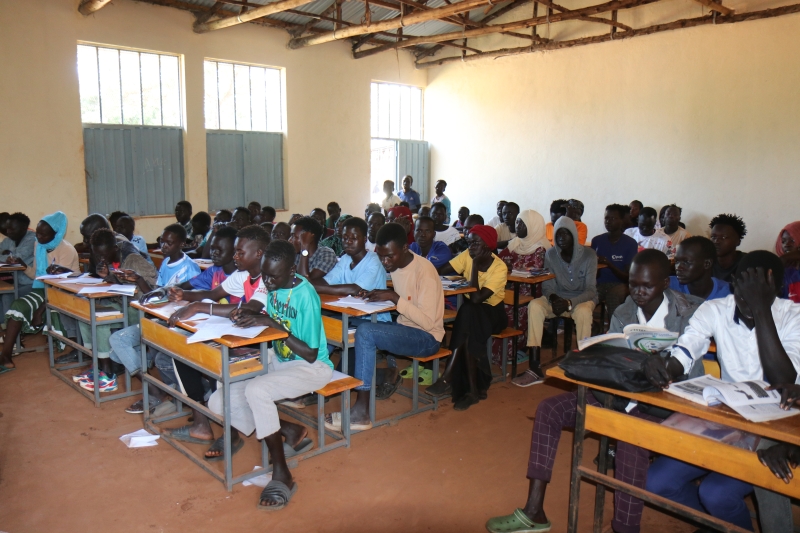
Primary education: In coordination with the Regional and Woreda Education Bureaus and Plan International Ethiopia, access to primary education is integrated with the national education system. With funding from the EU, five new school blocks, with four classrooms each, upgraded and expanded Akuda Tumet Primary School in Ura Woreda. During the 2025-2026 school year, 3,220 students (1,424 girls) from both refugee and host communities attended Akuda Tumet Primary School. The school employed 96 staff members from both the refugee and host communities.
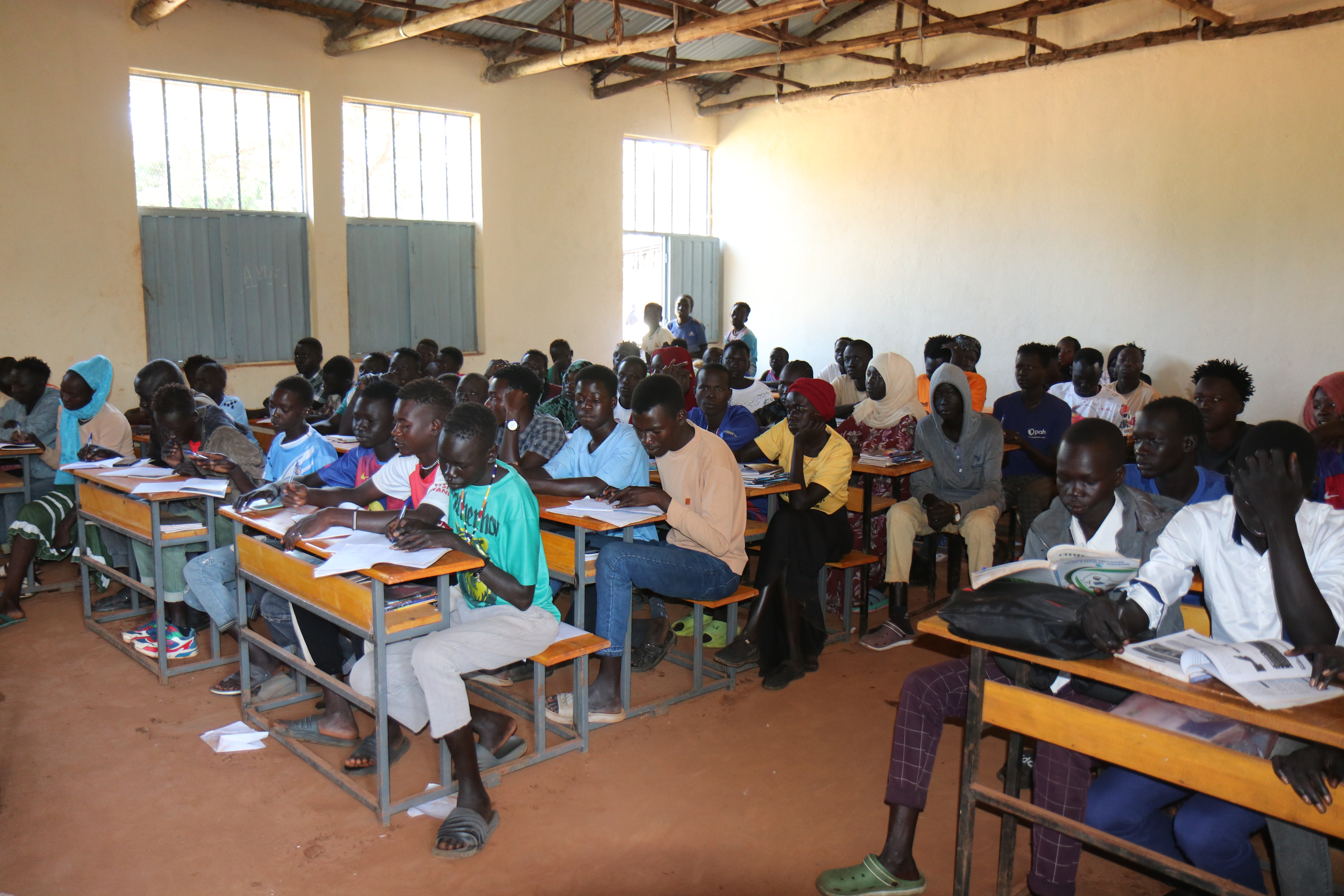
Secondary education: Construction of the new Ura Inclusive Secondary School was completed in February 2026, with support from the Mastercard Foundation (six blocks, latrines, and other structures) and Finn Church Aid (one block). The facility includes classrooms, a pedagogy room, a library, an administration office, latrines, and perimeter fencing. During the academic year, over 600 students enrolled from the host and refugee community.
Looking ahead: Raising enrolment rates is a priority for education in Ura. Decreasing material assistance in other sectors (e.g. food assistance) has lowered attendance rates. Secondly, access to tertiary education and recognition of qualifications are key priorities.
Health
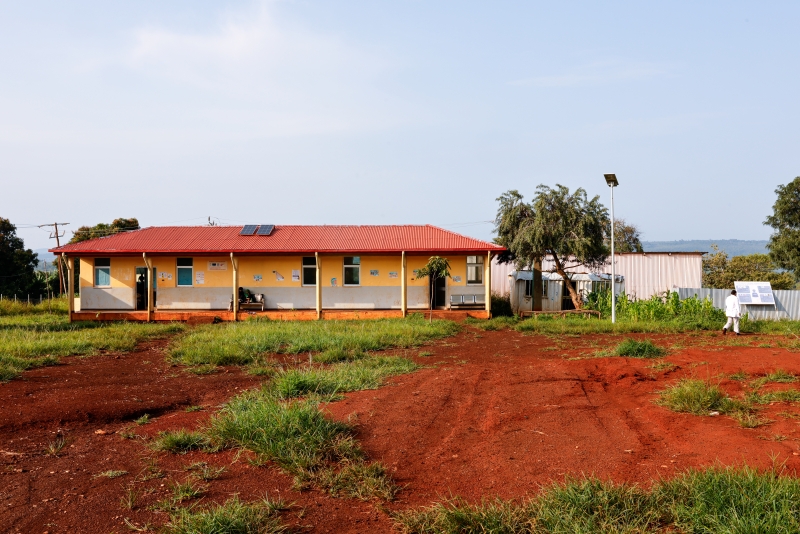
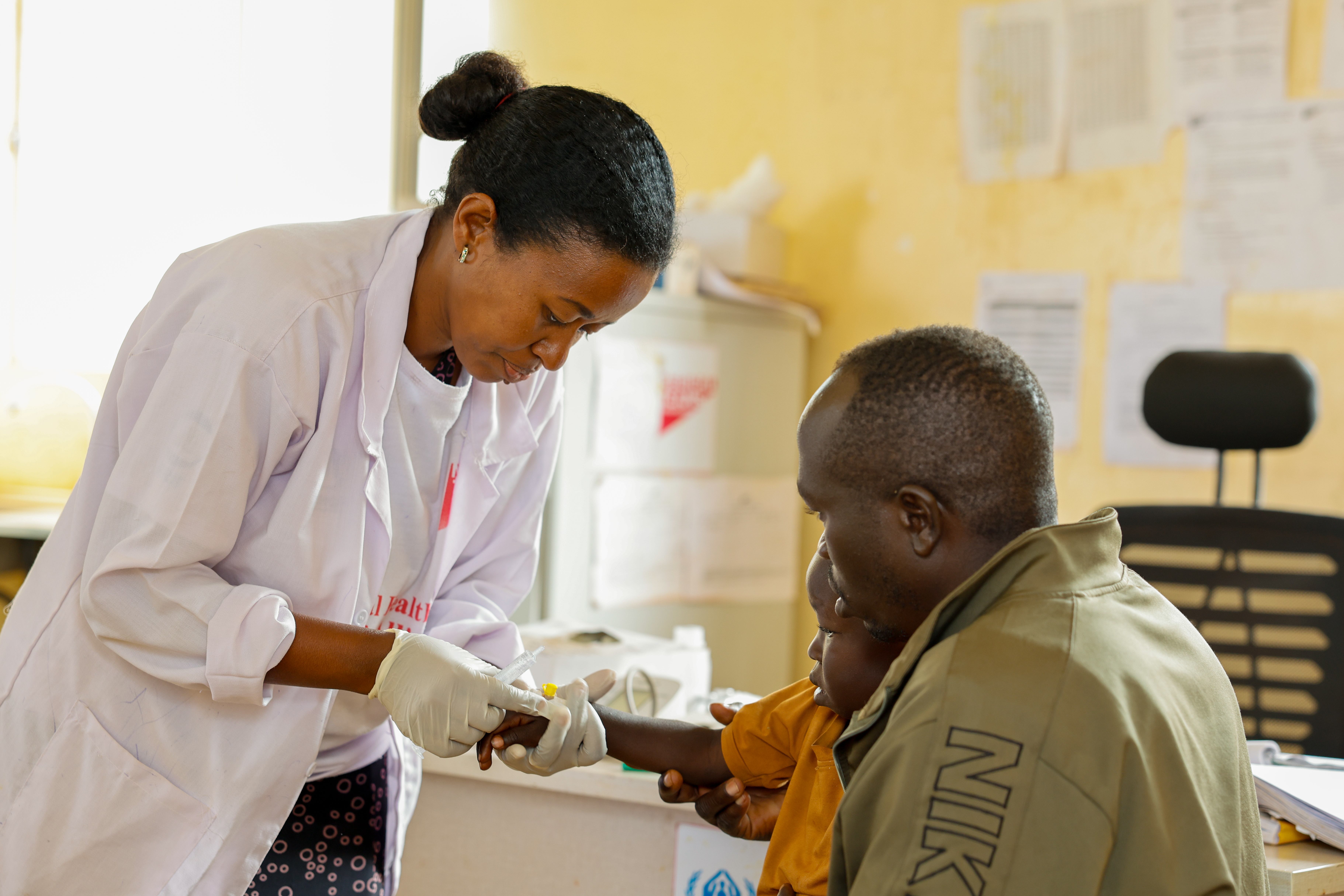
UNHCR and Medical Teams International (MTI), with funding from the EU, constructed the Akuda Tumet Inclusive Health Center, an integrated facility serving refugee and host communities. Opened in 2025, the center provides essential services including an outpatient department, maternal and child health, postnatal care, emergency services, a laboratory, and a pharmacy store. It delivers comprehensive primary health care and refers cases requiring specialized care to secondary and tertiary level health facilities, contributing significantly to improved health outcomes in the area. On average, the center serves 2,655 patients monthly (January 2026 – August 2026), of which approximately 20% are from the host community.
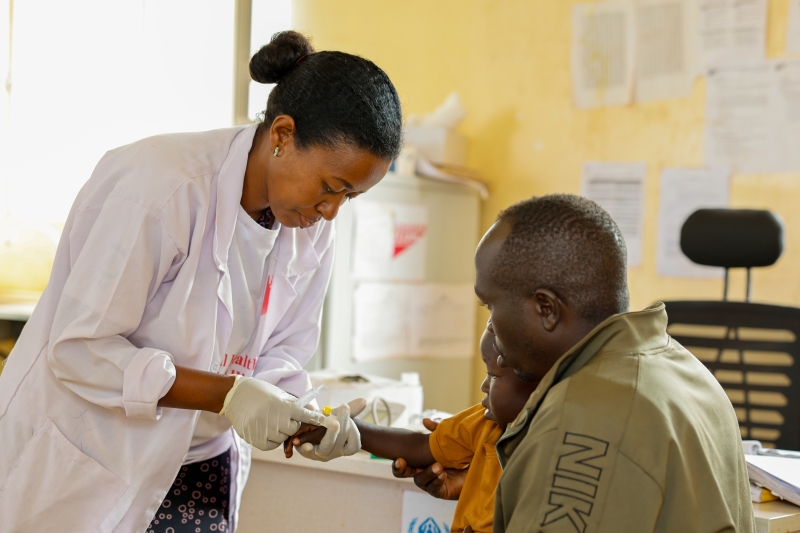
With support from the Regional Health Bureau, the center provides immunization services.
WASH
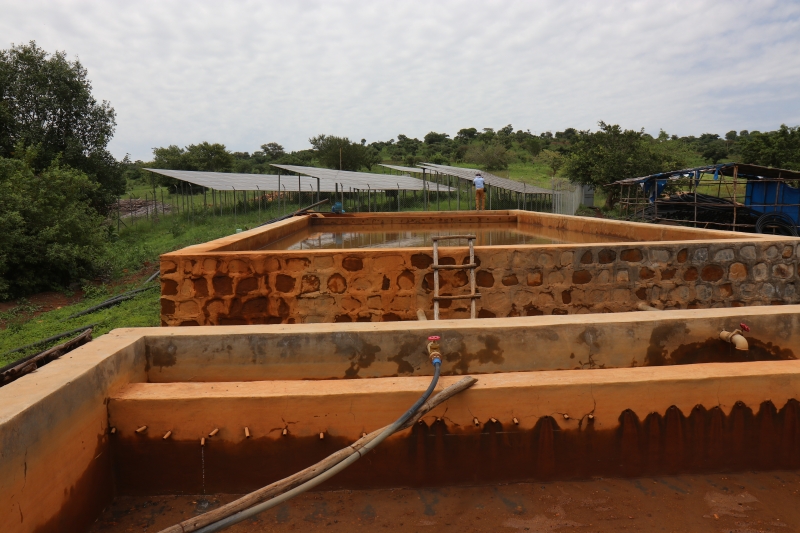
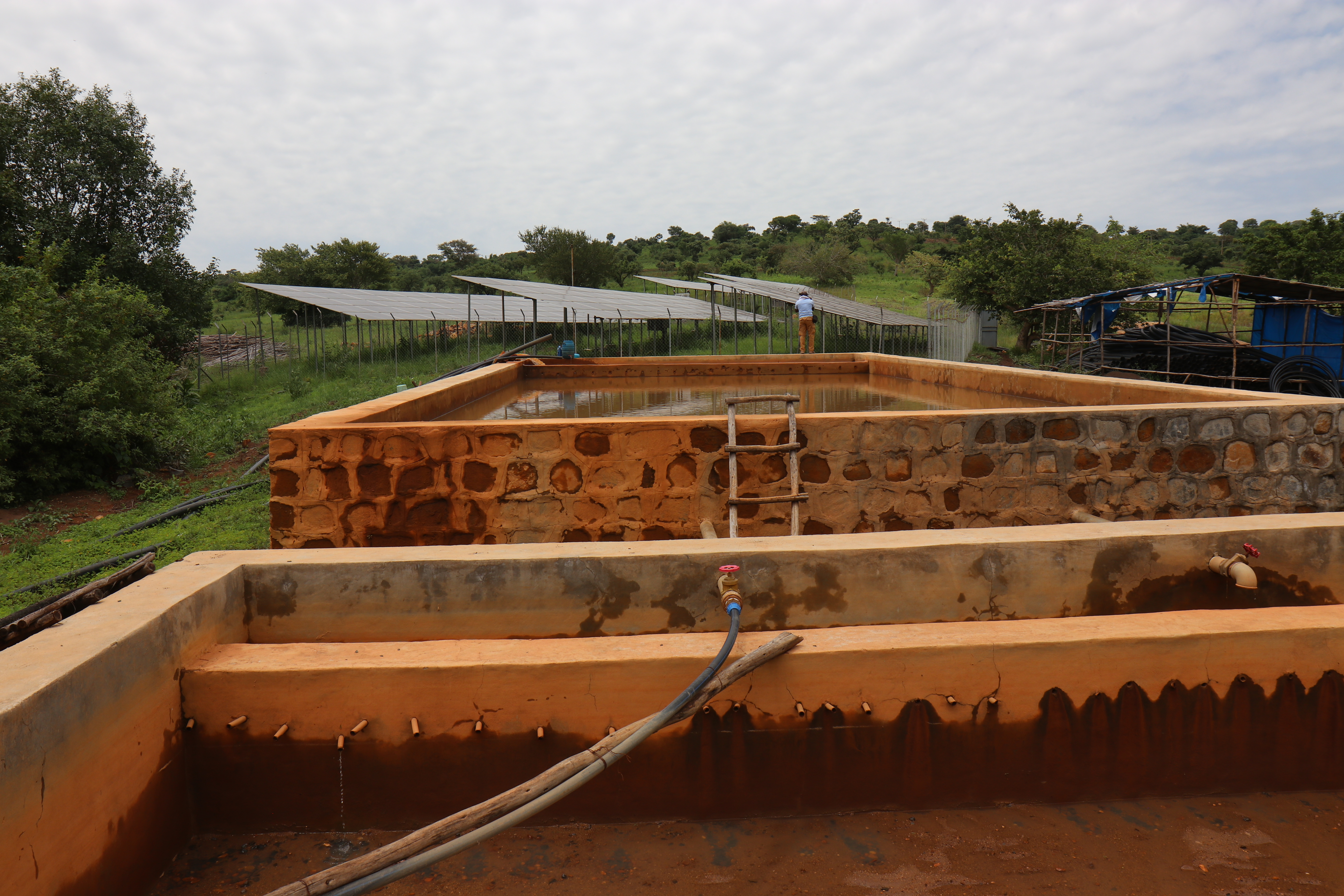
Efforts to provide clean water to refugees and the host community are ongoing. Using a nearby river source, a clean and potable water supply of 19 liters per person per day is provided through 27 emergency water points. In addition, riverside development works to upgrade and improve the water supply system are underway by the IRC. A Water Management Committee has been trained and equipped with maintenance tools, and the system has been handed over to the Woreda Water Office for continued management.
Ura town borehole & Oha River: In Ura town, the borehole’s solarization has been completed and handed over to the community. The solar mini-grid has been connected to the borehole and is now operational. Additionally, a 52 KW solar system has been installed at the Oha River source near Ura site. Electrification for both the Ura town borehole and the Oha River source grid-line connection has been completed and is operational, marking a key infrastructure upgrade for the community.
Latrines: Household latrine coverage stands at 45.53%, while the standard is 85%.
Economic Inclusion & Agriculture
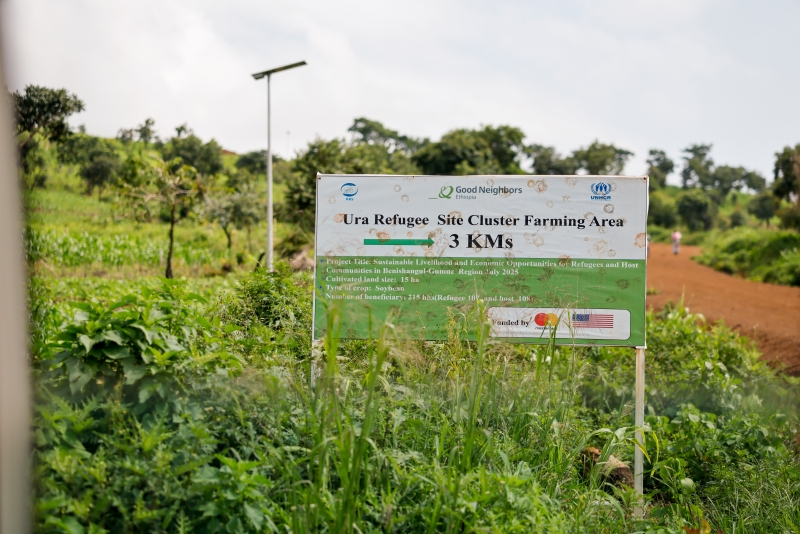
Agriculture: The regional government allocated 314 hectares of land for agriculture activities for refugees and hosts. As of August 2026, 200 hectares of land were successfully cleared at the Ura Settlement Cluster Farming Site to support agricultural production for both refugee and host communities. Good Neighbors Ethiopia (GNE) supported a pilot on 15 hectares for the cultivation of soya bean. Wider activities were expected to begin in 2026, and crops that can be cultivated in the area were identified as maize, soya bean, ground nuts, sorghum, cabbage, beans. The Regional & Woreda Agriculture Bureaus were agreed to provide seeds and technical support. Moreover, over 4km access road construction to the cluster farming site successfully completed. One tractor has been procured, and further investments are needed to strengthen infrastructure, crop value chain development, capacity building of market actors, farm inputs including mechanization, warehousing, post-harvest handling, and irrigation. Support for activities were provided by local authorities, World Bank, Mastercard Foundation, EU, AFD, and the United States. However, the cultivation of the cleared land was halted due to concerns raised by members of the nearby community regarding land ownership and access. As a result, the planned cultivation activities for both the targeted refugees and host community members, with support from DRDIP and MCMDO, could not proceed during the current farming season. RRS is engaging with the relevant government authorities to address the land-related concerns and facilitate the resolution of the issue for the next farming season.
Small Businesses, Employment, and TVET: Construction of the Grind Mill, Recreation Center, Mill Store, Barber Shops, Restaurant, Tailoring House, and Business Shop, Multi-Purpose Facilities is complete, and the new facilities are operational. They serve as hubs for cooperative operations, vocational training, small businesses, and service delivery. Training is provided for tailoring and business development, in partnership with Good Neighbours Ethiopia (GNE).
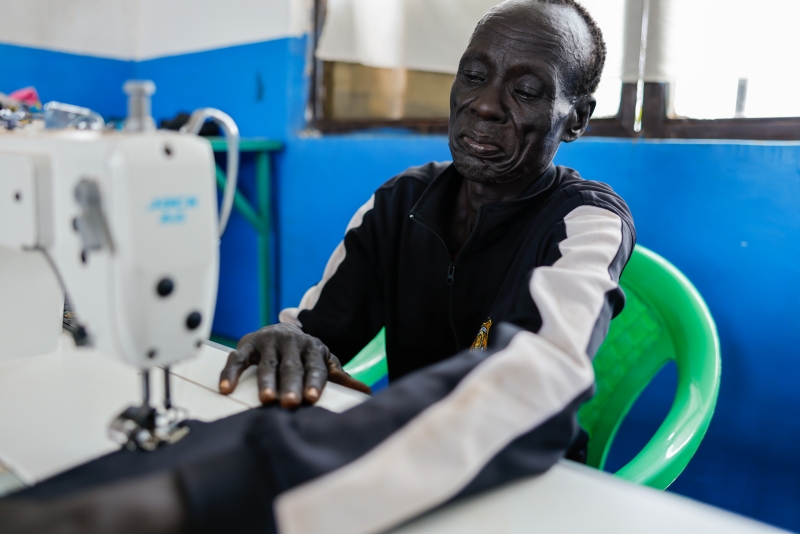
Good Neighbours Ethiopia provides vocational training in the newly constructed tailoring house in Ura Site.
Energy & Connectivity
Energy: The Ethiopia Electric Utility (EEU) has extended grid connectivity to Ura Site, ensuring a reliable power supply. The National Grid connections to the water intake system and the Ura Woreda borehole are operational, supporting the production and supply of potable water. Secondly, connection to the Akuda Tumet Inclusive Health Centre and livelihood facilities is completed, with installation of the power meters pending full commissioning. Household energy access remains a challenge. Alternative sources of energy for cooking area priority.
Connectivity: Ethio-Telecom, in coordination with UN agencies and the World Bank, has installed a telecom tower and communication station in Ura, serving refugees and hosts.
However, the provision of reliable services remains challenging due to an unstable power supply and the lack of alternative power supply solutions. Accordingly, discussions and follow-up with the Ethiopian Electric Utility and Ethio Telecom have continued to address the concern and identify appropriate solutions.
Housing & Roads
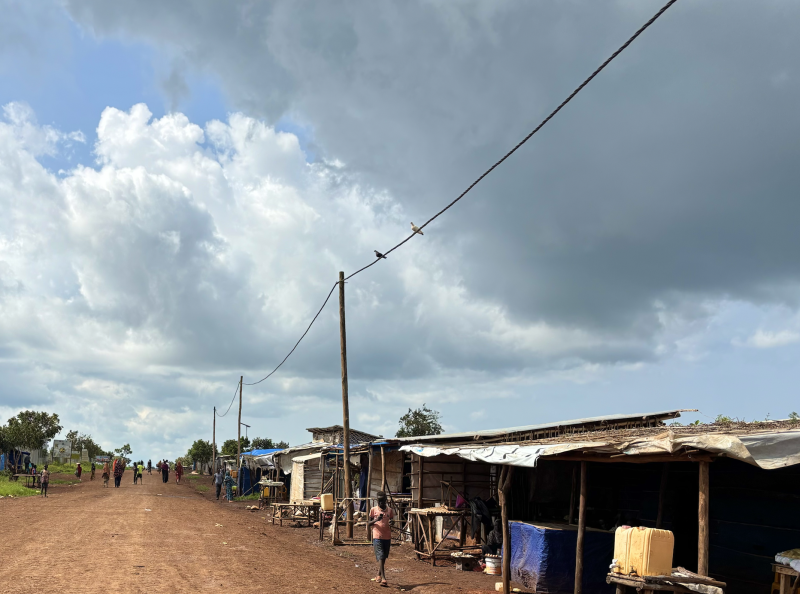
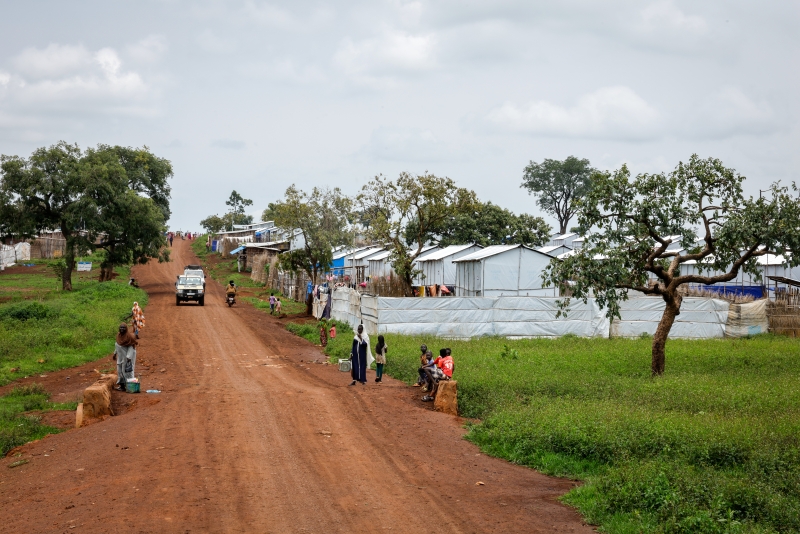
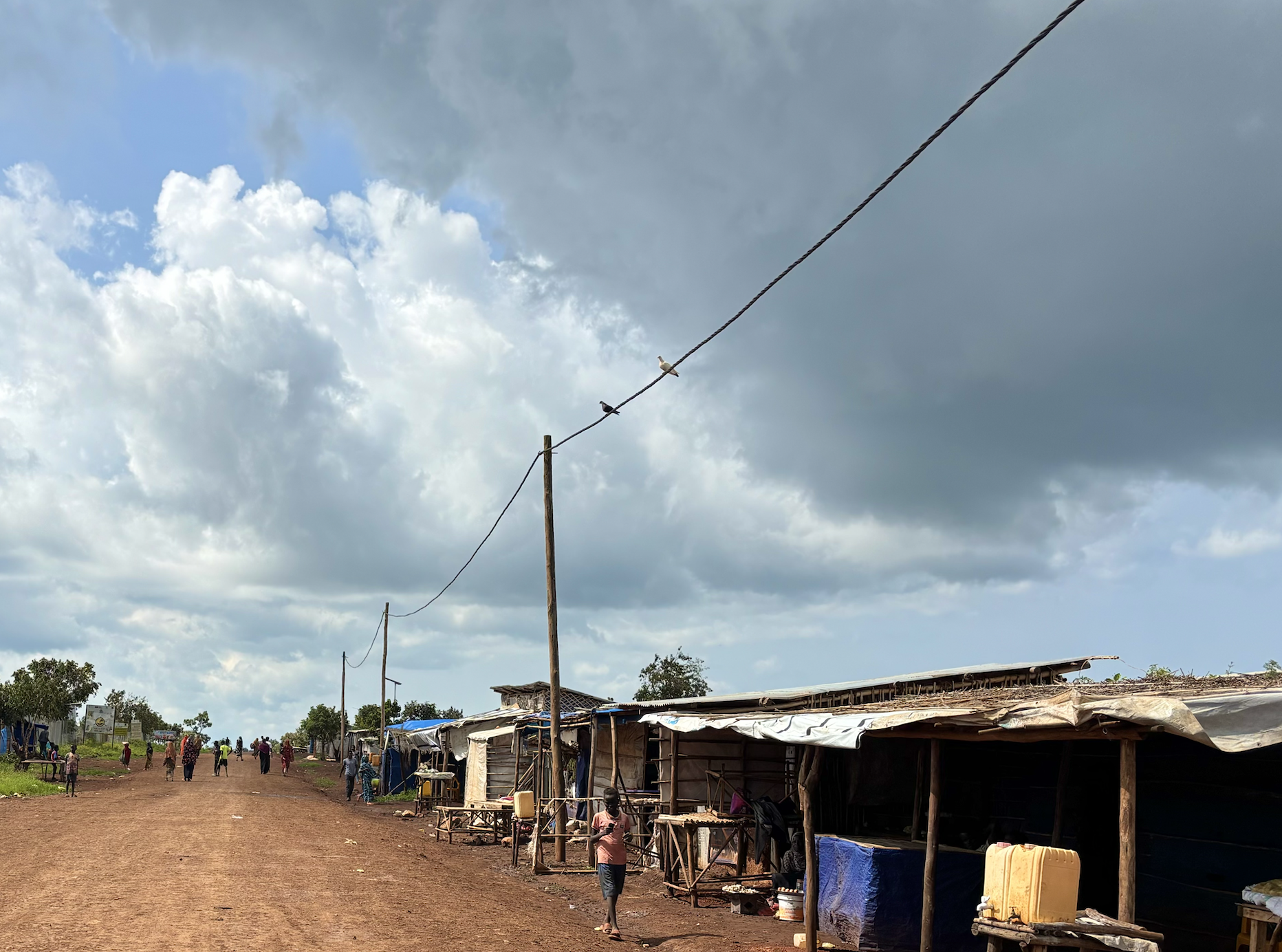
Road Infrastructure Completed: access road connecting the settlement to the host community (1.4km); inter‑settlement all‑weather roads (5 km), gravel road linking the agricultural farmland (4 km). With support from the World Bank DRDIP project, renovation of the main access road linking Ura Woreda to Ura Site is ongoing.
Shelter: Upgrading of temporary household shelters remains a priority. As of September 2026, 2,941 emergency shelters have been constructed, of which 2,882 have received partial upgrading through a mixed cash-based intervention approach, leaving 59 shelters yet to receive partial upgrading. Of the partially upgraded shelters, 178 have already been fully upgraded to transitional shelters, with iron-sheet roofing and bamboo-reinforced mud-plastered walls. An additional 457 shelters are currently undergoing upgrading and are expected to be fully upgraded to transitional shelters by the end of October 2026.
Funding mobilized through UNHCR and partners is available to fully upgrade 1,217 partially upgraded shelters to transitional shelters by the end of 2026. However, additional funding is still required to fully upgrade the remaining 1,089 partially upgraded shelters, of which 263 require roofing upgrades and 826 require wall upgrades.
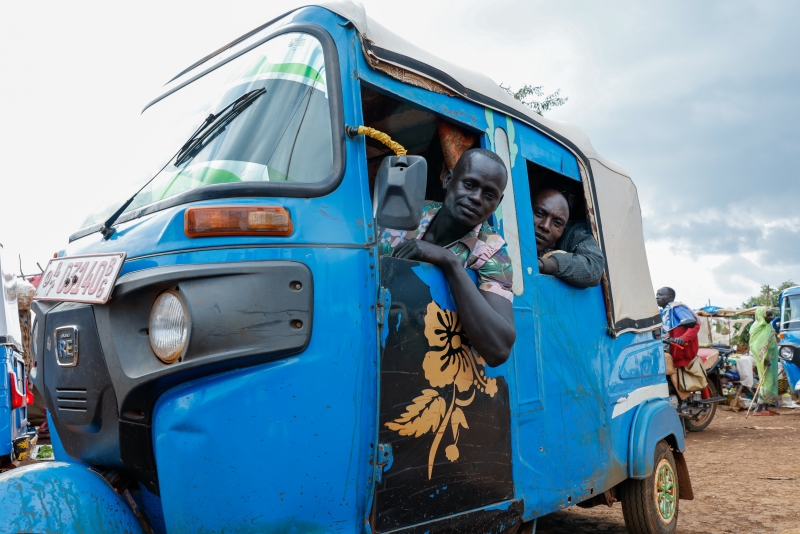
Rehabilitated roads facilitate access between Ura Site and local villages and towns.
Community & Social Services
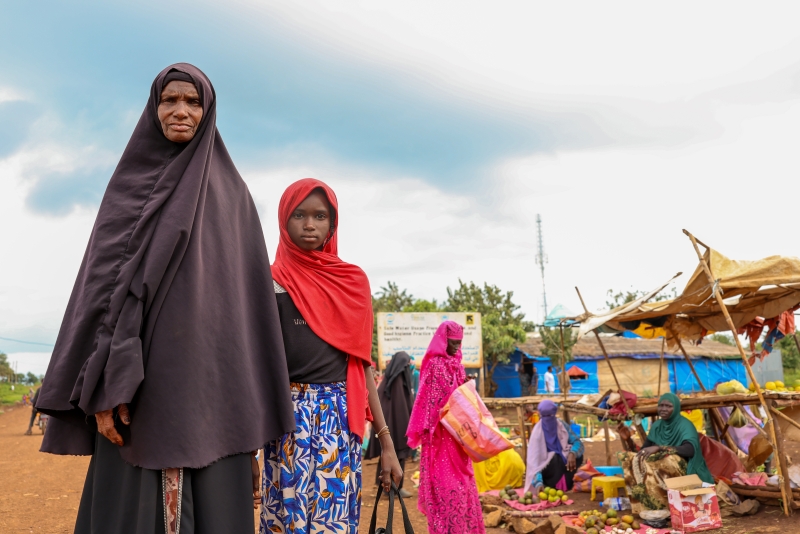
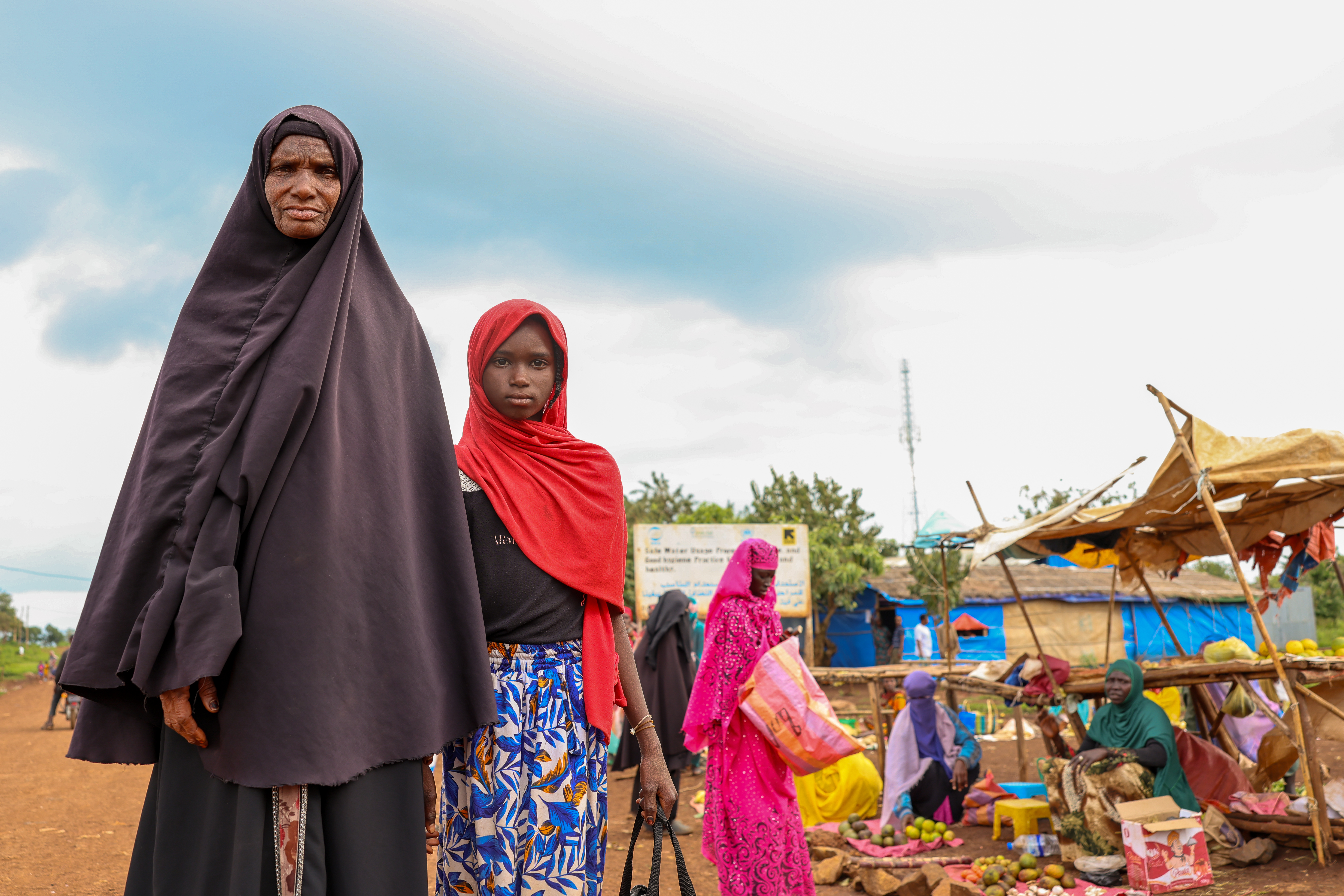
Both Sudanese refugees and South Sudanese asylum seekers entered Ethiopia from Sudan and live in Ura Site. The population is evenly divided between females and males, and nearly 50% of the population are minors. The population is a mix of rural and urban people, with varying educational backgrounds and skills. The top areas of origin are Khartoum, Blue Nile, Aj Jazirah, Sennar and West Darfur.
A Women and Girls Wellness Center has opened and provides a safe space, support, and vocational training for refugee and host community women.
Priorities include strengthening community-based structures and RLOs, youth empowerment opportunities, and access to justice.
Capacity Building
UNHCR and partners have provided technical support, capacity-building, and essential equipment to RRS and regional and woreda government institutions to strengthen service delivery. The support included ambulances, ICT equipment, generators, pumps, corn shellers, motorbikes, office equipment, and other operational assets.
Key Resources
Contacts
Marie Josee Morgan, Head of Sub-Office, UNHCR Assosa, Ethiopia ([email protected])