
The Makatet Roadmap
The Makatet Roadmap
On this page
What is the Makatet Roadmap?
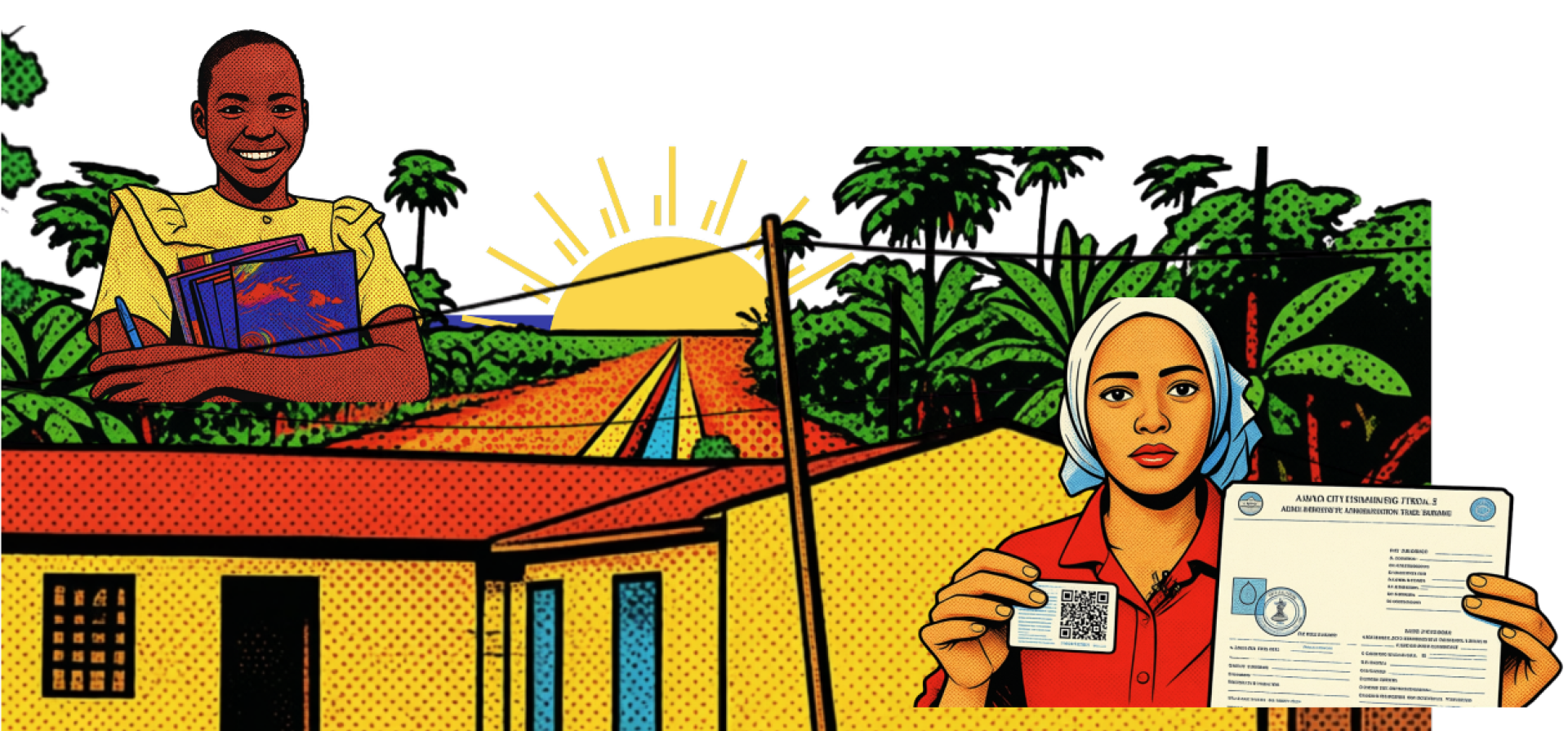
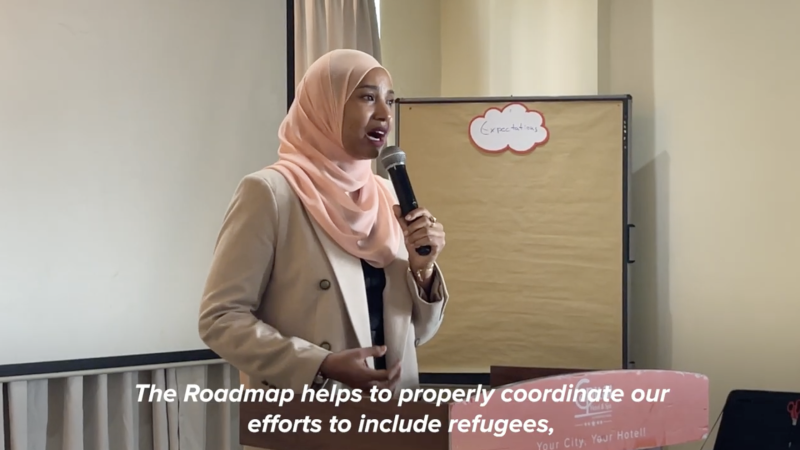
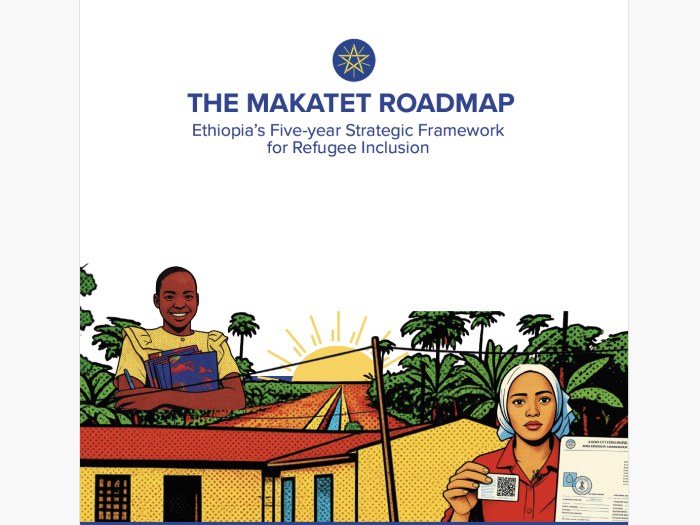
The Makatet Roadmap is Ethiopia's National Framework for the Socio-Economic Inclusion of Refugees. It represents a transformative shift in Ethiopia’s approach to forced displacement, moving beyond traditional humanitarian aid toward a sustainable development-led model. Guided by the Refugees and Returnees Service (RRS), the Makatet Task Team, and UNHCR, this framework consolidates the nation’s inclusion efforts, including commitments at the 2016 Leaders’ Summit and 2019 and 2023 Global Refugee Forum pledges, into a strategic blueprint for integrating refugees into national systems. Developed through an extensive consultative process in 2024 and 2025 with support from partners, the Makatet Roadmap serves as a cornerstone for Ethiopia’s longterm vision of shared prosperity and inclusive growth for both refugees and host communities alike.
Read the Roadmap
Read the Roadmap
The Roadmap's objective is to enhance the self-reliance and socio-economic inclusion of refugees and revitalization of host communities in Ethiopia through a government-led, climate-sensitive, cost-effective, and sustainable approach.
Latest News
Pillars
Environmental Protection & Climate Resilience
OBJECTIVE: Protect natural assets and expand clean energy access to build climate resilience for refugees and hosts.
SUMMARY: Advance reforestation, watershed management, clean cooking and electrification in refugee-hosting areas, aligned with NDCs and national electrification plans.
KEY COMPONENTS:
- Grid / off-grid electrification (solar mini-grids, household solutions)
- Clean cooking rollout (energy-efficient stoves, alternative fuels)
- Land restoration, nurseries, watershed management
- Sustainable waste management and pollution reduction
- Mobilize climate finance and carbon/offset opportunities;
Economic Inclusion
OBJECTIVE: Enable refugee economic participation through jobs, skills, finance and private-sector links
SUMMARY: Operationalize right-to-work, expand TVET and job-matching, improve financial/digital inclusion and pilot private-sector value chains
KEY COMPONENTS:
- Implement right-to-work SOPs and streamline admin processes
- Scale TVET, skills profiling and job-matching platforms
- Expand access to finance (bank accounts, revolving funds, microfinance)
- Private sector engagement and value-chain pilots
- Strengthen digital infrastructure/connectivity
- Strengthen existing Livelihood and agricultural opportunities, including irrigation
development
Protection & Durable Solutions
OBJECTIVE: Strengthen asylum systems, protection services and pathways to durable solutions
SUMMARY: Reinforce registration/ID/RSD, reduce documentation backlogs, expand GBV/child protection and operationalize MRCTDs
KEY COMPONENTS:
- Strengthen registration, RSD capacity and documentation issuance (NID/CRVS integration)
- Expand GBV and child protection via OSC model and national platforms
- Protection monitoring, feedback/complaint mechanisms and legal aid/mobile courts
- Facilitate travel documents, resettlement and complementary pathways
- Targeted humanitarian assistance for new arrivals and persons with specific needs
Access to Basic & Social Services
OBJECTIVE: Ensure refugees and hosts access quality education, health, WASH and housing via national systems
SUMMARY: Upgrade infrastructure, integrate services into national systems, and pilot sustainable financing (e.g., CBHI)
KEY COMPONENTS:
- Infrastructure upgrades for schools, health centers, WASH and housing
Inclusion of refugees into education and health systems (EMIS/HMIS)
CBHI pilot expansion and sustainable health financing models
Utility models with equitable tariffs/subsidies and capacity support
Market-based housing solutions; transfer of humanitarian-run schools where feasible
Capacity & Systems Development
OBJECTIVE: Build institutional capacity, SOPs and interoperable systems for sustainable inclusion
SUMMARY: Strengthen RRS, line ministries and regional capacities, develop SOPs, integrate digital services and implement capacity assessments
KEY COMPONENTS:
- National inclusion capacity assessment and area-based planning
SOPs, manuals and first-priority implementation plan
Digital integration: NID/CRVS/BIMS/DRCS interoperability and MIS
Strengthen RLOs/CBOs and local government capacity
Fiscal impact analysis and resource-mobilization framework
Partnerships, Coordination & Advocacy
OBJECTIVE: Establish functional coordination, refugee engagement, advocacy and resource mobilization systems
SUMMARY: Operationalize Steering Committee, Secretariat, Technical Committees, Advisory Forum and meaningful refugee representation; deliver advocacy for responsibility-sharing
KEY COMPONENTS:
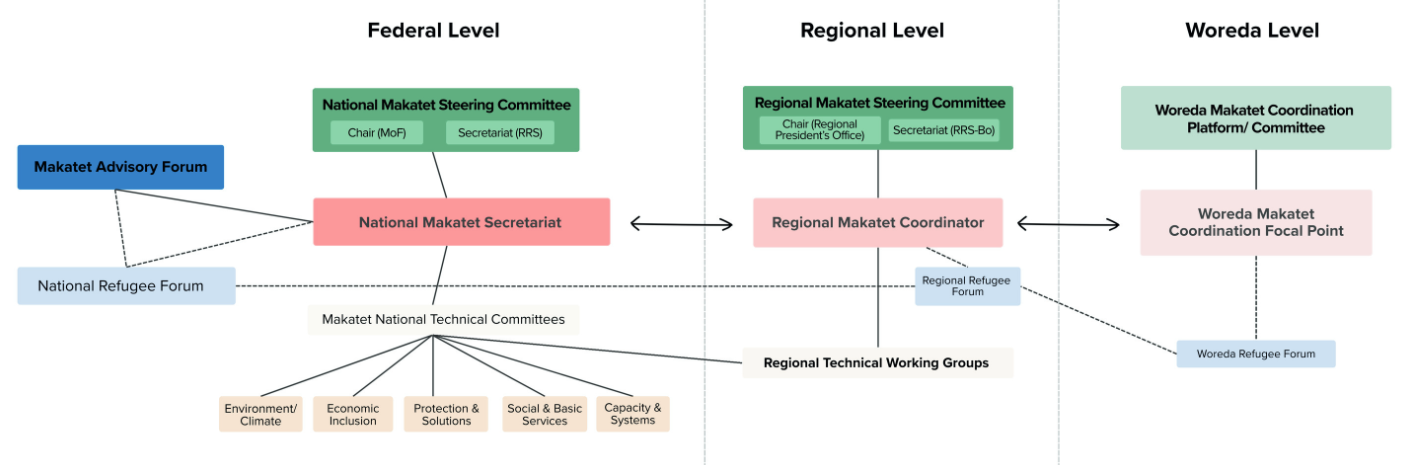
- Operationalize national → regional → woreda coordination architecture
- Structured, representative refugee engagement mechanisms at all levels
- Multi-stakeholder Advisory Forum and private-sector engagement
- Communication & advocacy strategy and pledge-update process
- Joint planning, “one plan, one report” modality
Coordination
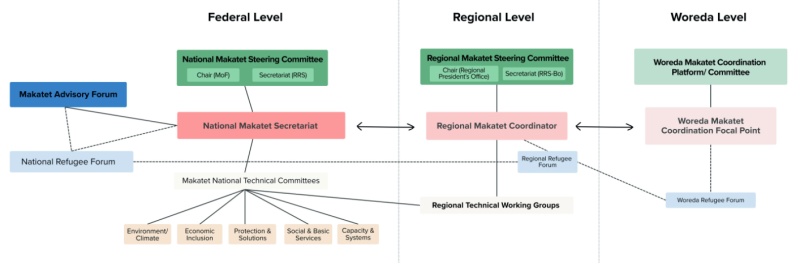
The implementation of the Makatet Roadmap will be government-led and anchored in existing national systems and structures. Implementation will involve relevant sector lead ministries, regional authorities, the Refugees and Returnees Service (RRS), UNHCR and other United Nations agencies, as well as development partners, donors, multilateral and bilateral institutions, national and international NGOs, civil society, private sector actors, refugee and host communities, and other stakeholders, with clearly defined roles and responsibilities to be specified during the operationalisation of the Roadmap. Coordination will take place at federal level, regional level, and woreda level.
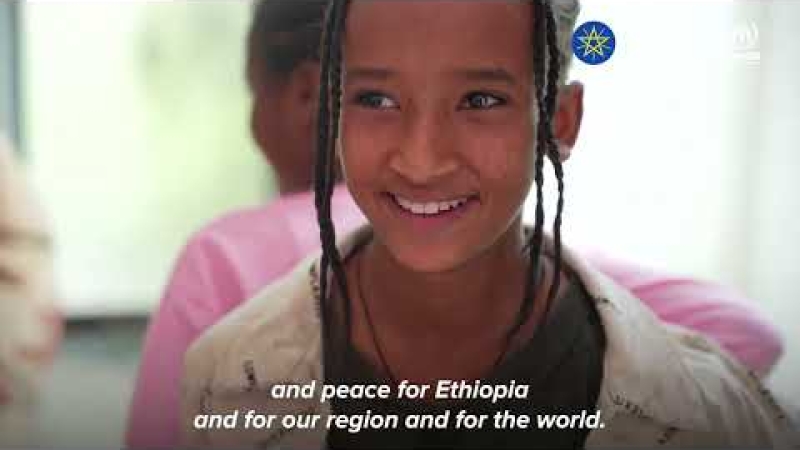
Video: A Whole-of Government and Whole-of-Society Approach
Additional Resources
Contacts
Dr. Atinkut Mezgebu Wubneh | Senior Partnership Officer, UNHCR Ethiopia ([email protected])