
Kampala City Reaffirms Commitment to Include Refugees in Governance, Planning and Service Delivery
Kampala City Reaffirms Commitment to Include Refugees in Governance, Planning and Service Delivery
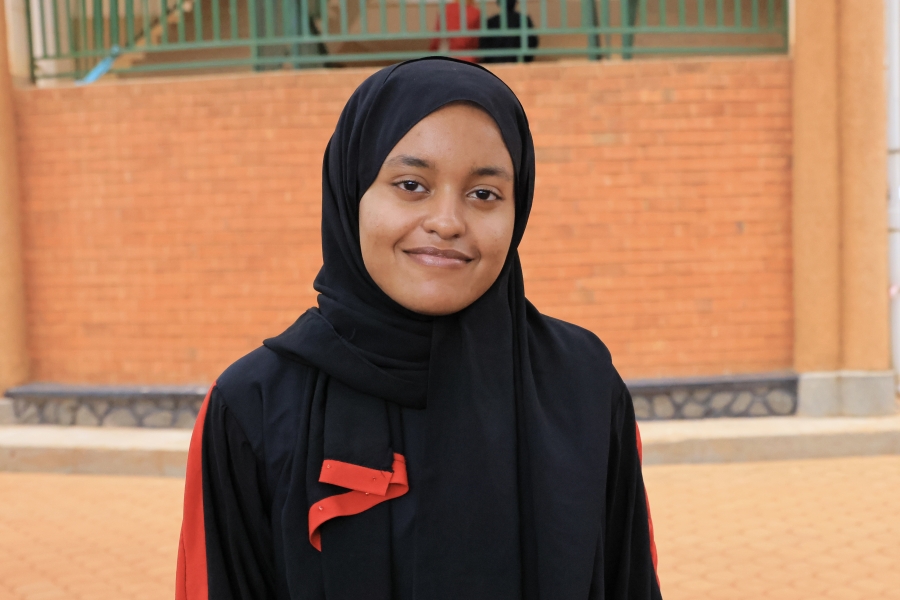
Mariem Agabani, a Sudanese refugee and medical student, continues her studies at Sudan International University, hosted by the Islamic University in Uganda. She fled Khartoum with her family in 2023 and is now gaining hands-on experience at Mulago National Referral Hospital.
The Kampala Capital City Authority (KCCA) launched the Kampala Capital City Strategic Plan for FY 2025/26–FY2029/30 on 30 September 2025. The plan is aligned with the Government of Uganda’s National Development Plan IV and its priorities on urban resilience, service delivery and climate adaptation. The KCCA frames Kampala as an inclusive city, and refugees are recognized as part of the urban population whose needs must be addressed through city systems. Kampala is currently home to 170,474 refugees (UNHCR, 30 April 2026), including 92,893 Sudanese refugees who arrived in Uganda after the start of the conflict in Sudan in April 2023.
The Strategic Plan outlines the KCCA's commitment to facilitate refugee inclusion through its city governance, planning and service delivery systems. The Strategic Plan also delivers on the Government of Uganda’s pledges at the 2023 Global Refugee Forum to increase resilience and self-reliance and localize the refugee response.
One of the plan’s strategic objectives is to promote the labour market inclusion of refugees. Many Sudanese refugees are highly skilled and have sought to contribute to the economy of Uganda. A Livelihoods and Employment Needs Assessment (NRC, December 2024) indicated that 42% of Sudanese household heads living in Kampala have a bachelor’s degree. However, many reported challenges in accessing or retrieving documents and certifications. Skilled Sudanese refugees have sought to contribute the economy of Uganda, including in key sectors such as education, health, trade, services, and skilled labour, and 64% reported actively pursuing formal employment opportunities, reflecting a strong interest in formal labour markets and entrepreneurship.
The plan aims to strengthen KCCA’s coordination of government and partner programmes on urban refugee inclusion. To support these efforts, the Conrad N. Hilton Foundation committed USD 500,000 (2025/2026 - 2027/2028) to strengthen Kampala’s refugee response system, specifically access to quality, inclusive, and timely service delivery for urban refugees and host communities. Activities include training key stakeholders on refugee issues, coordination efforts to implement the KCCA Strategic Plan, and an Urban Refugees Conference.
Development partners to Uganda are also in the process of developing new urban programmes to improve critical infrastructure, as well as enhance access to basic services and employment opportunities.
For more information, please contact Julius Kasozi ([email protected]).