Urban & Settlement Planning
Urban & Settlement Planning
On this page
Integrated Settlement Planning
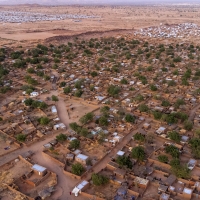
As the Sudan crisis continues to drive large-scale displacement across borders, host countries are facing growing urbanization pressures and the development of new or expanding settlements. Aligning humanitarian responses with urban planning approaches is therefore essential to support both displaced populations and host communities in a sustainable way. UN-Habitat, UNHCR, and IOM are working with governments and supporting this approach through integrated settlement planning, linking humanitarian assistance with medium- and longer-term urban planning and management.
In camp settings, assistance is often centralized and focused on urgent needs, but longer-term opportunities can be limited. Increasingly, displaced populations are residing in urban areas, as well as in new or expanding settlements located near existing towns and villages. These arrangements can offer greater prospects for mobility and socio-economic inclusion, but can also create additional demands on services, infrastructure, and land. Without adequate planning and governance, settlement expansion may strain local systems. This consideration is particularly relevant in low-income and post-conflict contexts, where local authorities must accommodate population growth while strengthening essential services.
Integrated settlement planning recognizes that displacement is not only a humanitarian issue, but also an urban planning and management challenge.
Settlement Planning & Management Levels
| National | National Development Plan |
| Urbanization Strategy | |
| Sub-national | Spatial Development Framework |
| Durable Solutions Strategy | |
| City-region | Territorial Settlement Plan |
| City-Region Spatial Framework | |
| City or part of city (greater urban centers) | City Strategy/City Development Plan |
| City Extension Plan | |
| Site | Area Development Plan |
| Site Plan |
The Settlement Profiling Tool
When establishing a new settlement, or considering a significant extension, the Master Plan Approach (MPA) provides a framework for design and development, which facilitates the evolution of camps into sustainable communities and promotes their integration into the hosting environment. Settlement profiling is based on the guiding principles of the MPA. It provides an analytical framework for assessing the settlement conditions in their wider context and accounts for longer term planning.
The Settlement Profiling Tool, developed by UN-Habitat with support from UNHCR, is a framework designed to help local authorities and humanitarian-development actors create urban development plans and cross-sectoral settlement profiles in displacement-affected areas. By applying a spatial lens, the tool establishes a shared information baseline to strengthen coordination, guide planning, and identify priority investment opportunities that bridge humanitarian needs and sustainable urban development. Two pilot profiles have been developed for Nakivale Settlement in Uganda and Kebribeyah Settlement in Ethiopia. The Multi-Stakeholder Pledge on Sustainable Human Settlements – launched at the Global Refugee Forum 2023 – aims to mobilize support and create favorable conditions for resilient communities where individuals can thrive independently and sustainably.
Responding to the Sudan Emergency
Ethiopia
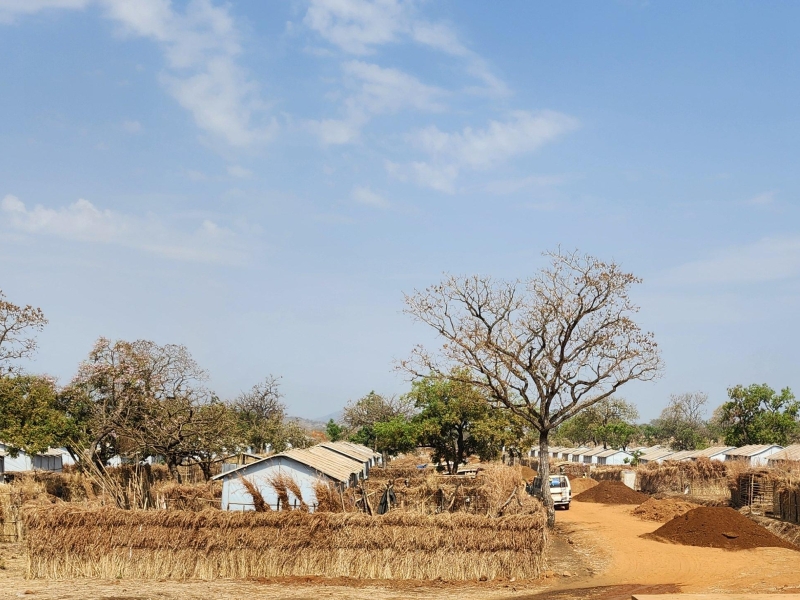
In response to the Sudan crisis, UN-Habitat with support from UNHCR is developing a settlement profile for Ura Refugee Site in Ethiopia. The profiling report will provide a baseline overview of the settlement, including demographic composition, infrastructure, service provision, and the challenges and opportunities ahead. The profiling examines the relationship between the settlement and its surrounding environment, including the host community, woreda (district) administration, Assosa town, Benishangul-Gumuz Regional State, and national development plans.
Chad
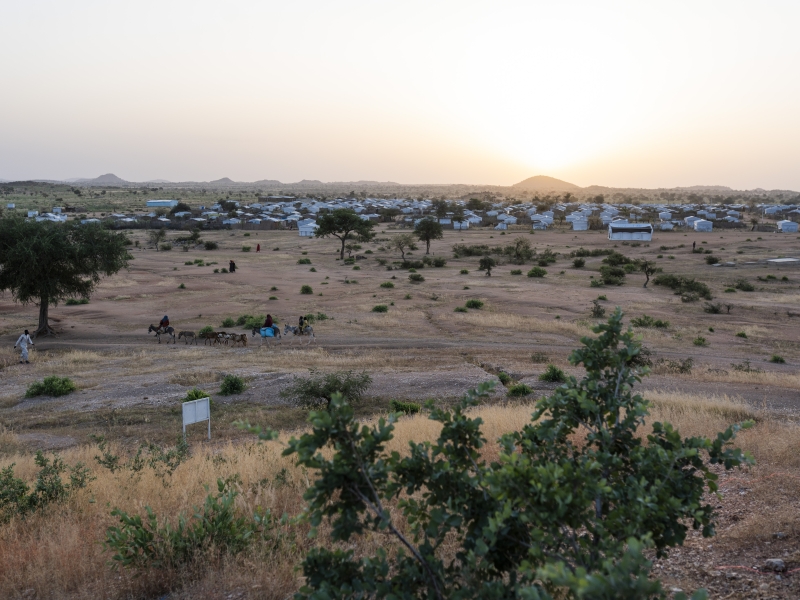
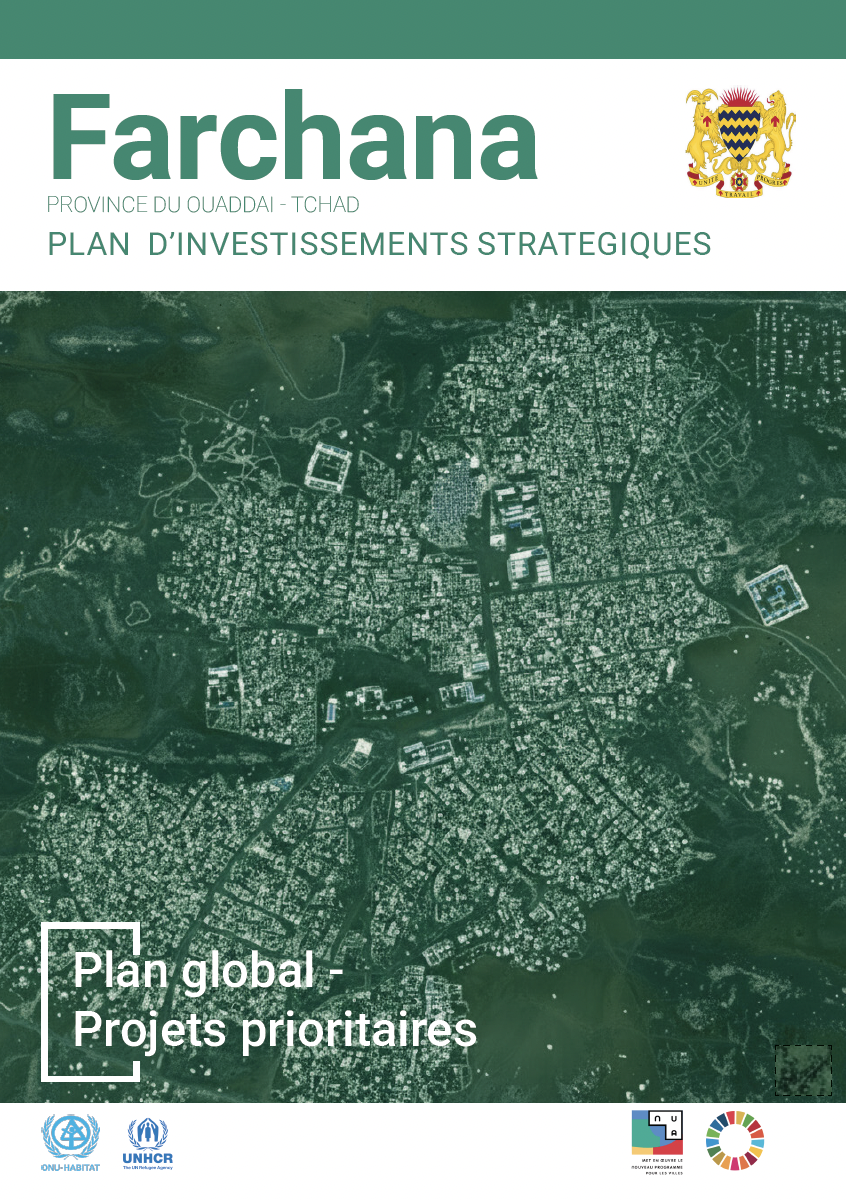
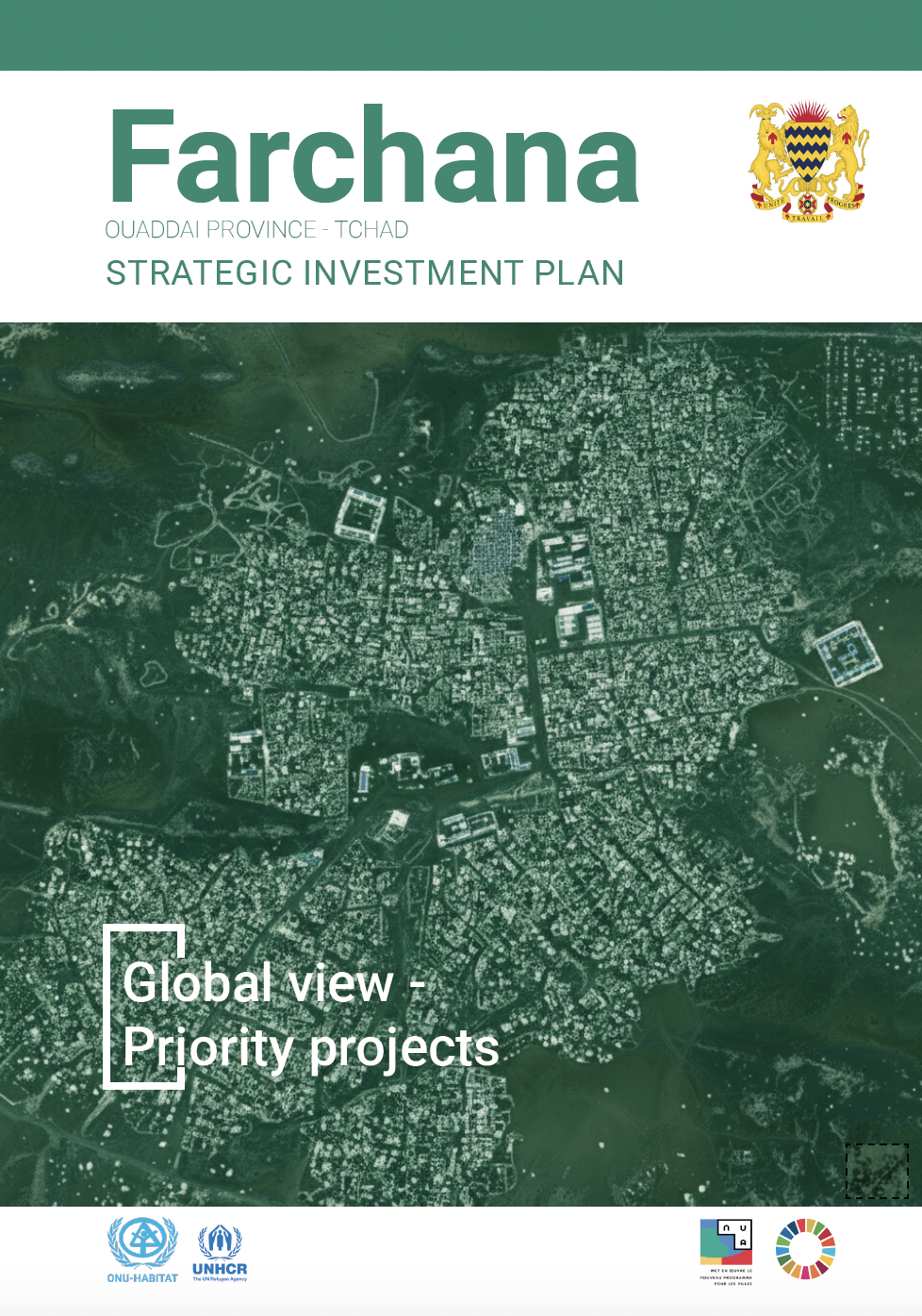
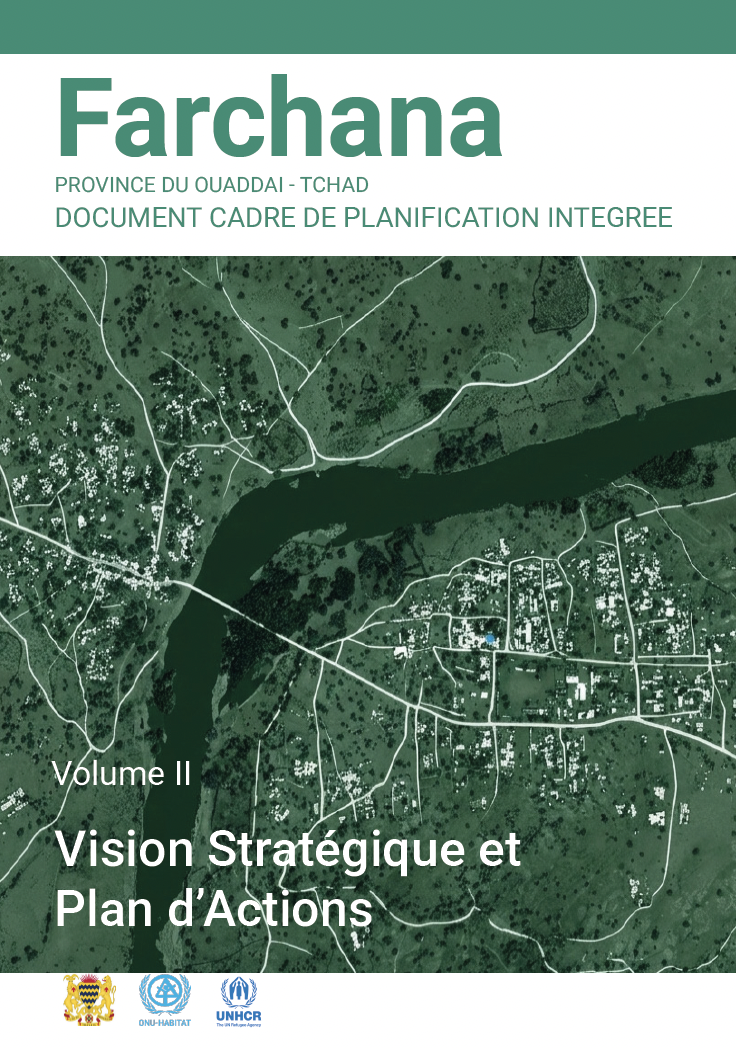
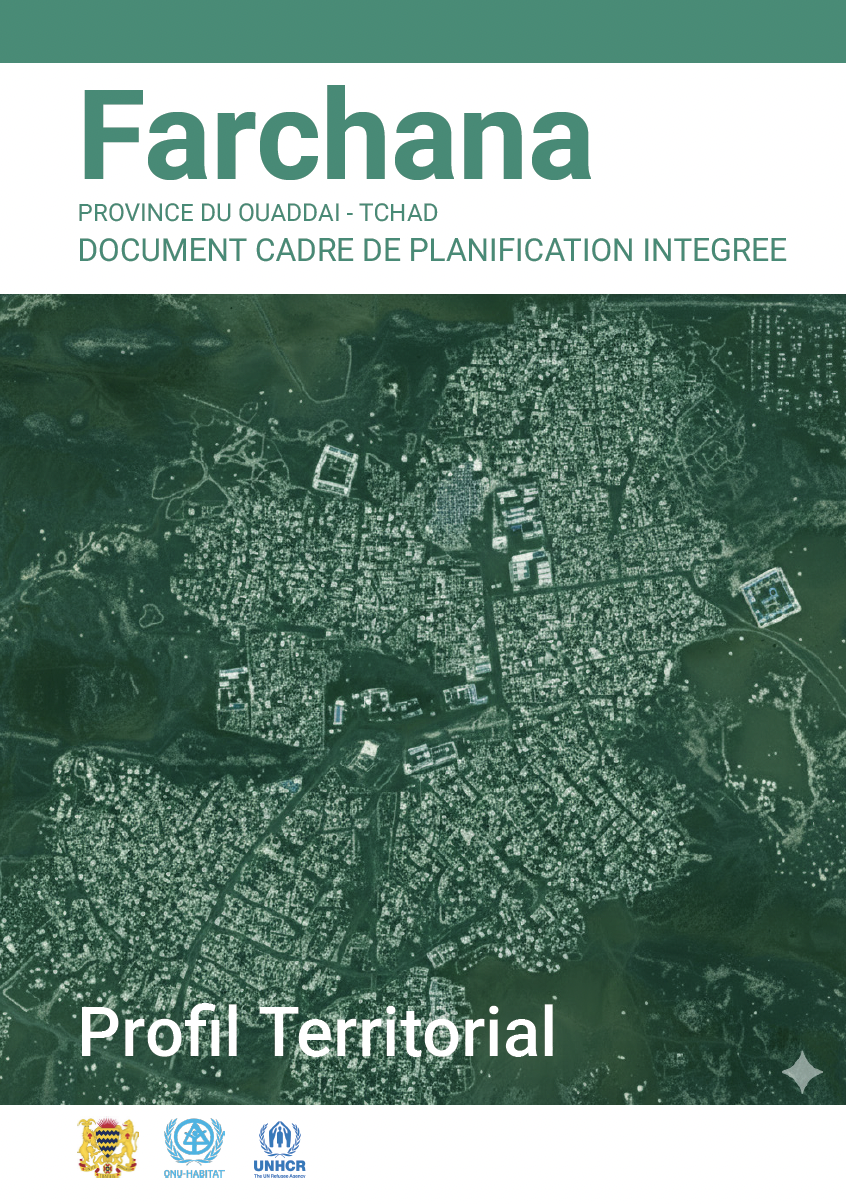
In Chad, UNHCR and UN-Habitat, in collaboration with local authorities, the Ministry of Land Management, Housing and Urban Development (MATHU), and the Ministry of Planning, are developing Integrated Urban Projects for municipalities along the Abéché–Adré Corridor, with Farchana serving as the pilot location. These territorial planning documents and programmatic studies provide a strategic vision, including a spatial plan, investment proposals, and a strategy for mobilizing resources. Central and local authorities actively participate in the development of planning documents and are equipped to oversee implementation
South Sudan
UN-Habitat, UNHCR and IOM are collaborating in South Sudan and focusing on inclusive urbanization, infrastructure recovery, and durable solutions for displaced populations. In South Sudan, decades of conflict have displaced millions, leaving behind a legacy of fractured communities and devastated infrastructure. UN-Habitat’s work with the National and State Governments of South Sudan addresses these challenges head-on. The work on an integrated settlement plan has been concluded in Juba, with the Strategic Plan of Juba. The forthcoming Strategic Plan for Malakal (Upper Nile State), outlines measures to support the relocation of 35,000 people from the UN Protection of Civilians site, established after the 2013 conflict, into Malakal town. The plan aims to address structural barriers to return, strengthen public infrastructure, and promote community cohesion to support long-term stability and effective urban recovery. Supporting this transition is the Area-Based Durable Solutions Roadmap, a comprehensive, multi-year strategy.
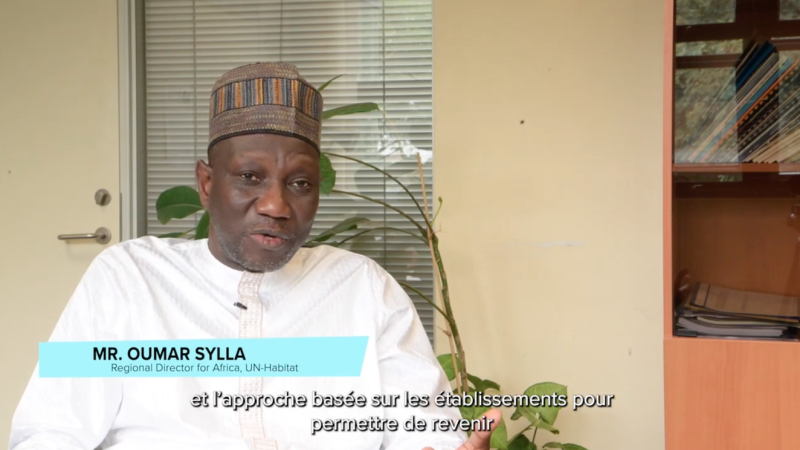
A Conversation with UN-Habitat
Settlements
Document Library
Contacts
Ishaku Maitumbi, Head of Subregional Unit Horn and Eastern Africa, Regional Office for Africa ([email protected])